Monthly Archives: October 2026

CS Lewis on Pride

“CLIVE STAPLES LEWIS (1898-1963) [The same generation as my grand parents.] Was one of the intellectual giants of the 20th century and arguably the most influential Christian writer of his day. He was a Fellow and tutor in English literature at Oxford University until 1954 when he was unanimously elected to the Chair of Medieval and Renaissance English at Cambridge University, a position he held until his retirement. He wrote more than thirty books, allowing him to reach a vast audience, and his works continue to attract thousands of new readers every year. His most distinguished and popular accomplishments include The Chronicles of Narnia, Out of the Silent Planet, The Four Loves, The Screwtape Letters, and Mere Christianity.”
The above quote from my book’s cover goes on to say, “One of the most popular introductions to Christian faith ever written, Mere Christianity has sold millions of copies worldwide. … He set out to simply “Explain and defend the belief that has been common to nearly all Christians at all times.”

In Mere Christianity, I was very much surprised and delighted at Lewis’ candor and intellect as he spoke to the problems of his times and our times, and the solutions on a global and personal level. On a historical note, the book is mainly a collection of wartime (World War II) talks the BBC arranged for him to deliver over the radio to remind Great Britain of its faith and historical roots in Christ and the Bible. One could make the case that godlessness, secular humanism, and the enlightenment had weakened Europe, and brought their evil fruits to maturity in the Third Reich. The church in England was divided at the time by schisms between Catholics, protestants, and different Protestant denominations.
Lewis spoke to this disunity among Christians, saying that the differences are not so important as the core truths. And that we should concentrate on the main tenants of Christianity that we can all agree upon. Hence, the name of perhaps his most influential book is Mere Christianity.

The BBC thought him perfect for the task because he was not religious, a relatively new convert, and one of the most respected minds in England from its most prestigious universities. He was a brilliant philosopher and expert in all the literature and history of western civilization. He could appeal to those caught up in secular humanism, as well as, explain the main tenants of Christianity to Christians in a fresh way. The nation was aware of their great need for God to deliver them from the bombs of Nazi Germany. He reminded everyone of the great need we have for Christ to deliver us from the evil one and from ourselves.
I was shocked and surprised at the chapter topics he addressed: the beauty of morals, rival conceptions of God, morality and psychoanalysis, sexual morality, Christian marriage, forgiveness, the great sin, charity, hope, and faith. He ends with philosophical thoughts, challenging and helping those searching for truth in all the wrong places. The book ends with chapters entitled “Nice People or New Men” and “The New Men”—very insightful!

The Great Sin

“The Great Sin” probably stuck out to you as it did to me, along with the brilliance of his other topics. The great sin is pride and it tops the list of “The Seven Deadly Sins.” Read his book to learn how he deals with it and it’s importance to humans and civilizations.

Please allow me another moment and thought about Francis of Assisi. He humbled himself a great deal in stripping away wealth and privilege in deference to Jesus, to show Christ followers again the path toward a meaningful life and eternity during a very dark time.

The Church—The New Men
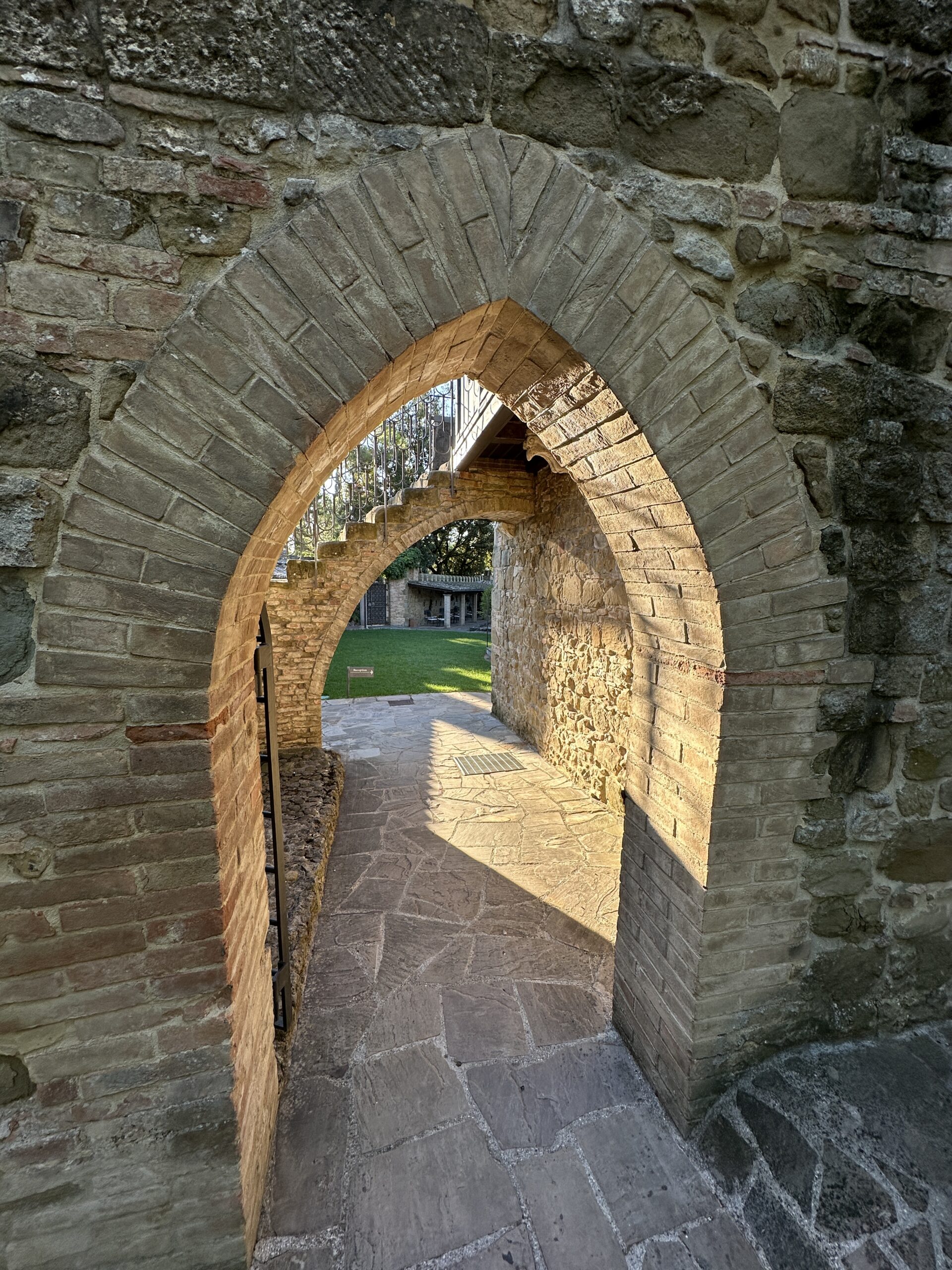
Saint Francis allowed me to see pride in myself, and in the protestant church of which I’m a part. Without giving a lot of thought to it, I would suggest most protestants look down on the Catholic Church a bit because they consider the Church took some wrong paths with errant doctrines diverging from the Bible at certain junctures. I was reminded standing in Assisi, that none of us have the whole unadulterated truth. We should be more humble, and we should look again at Mere Christianity.

When I pondered the life and times of this spoiled rich kid, Francis, who met Jesus on his way, I realized that I probably wouldn’t even have a Bible or know Jesus myself if he hadn’t reformed the church, in the obvious power of the Spirit. He did this three hundred years before Martin Luther, a Catholic priest, spurred another reforming of the Church. That’s humbling to consider, and it’s healthy.
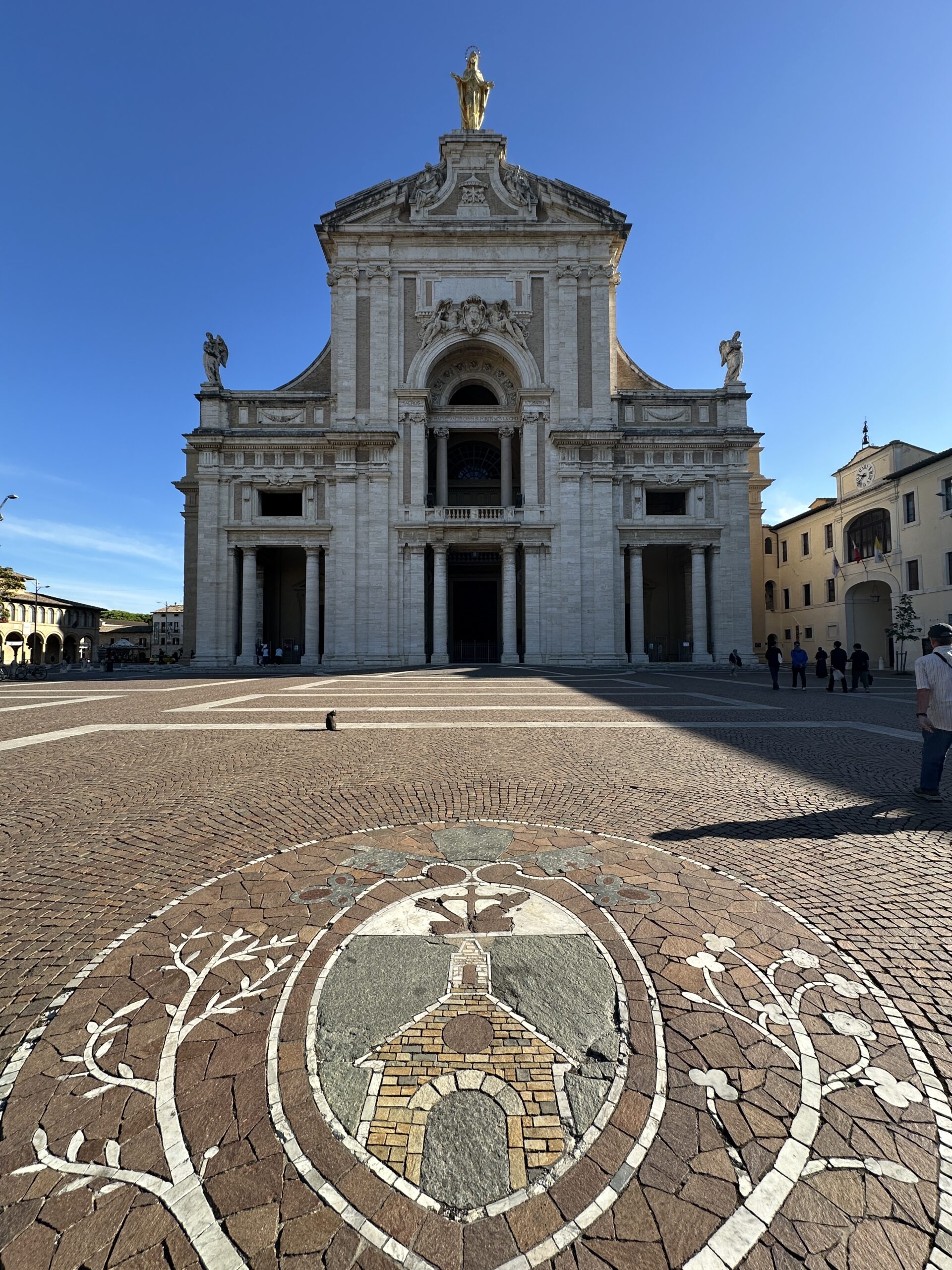
May C.S. Lewis help you know Jesus as the Christ, the Messiah. If you already know Him, C.S. Lewis, a humble man in this humble book, can help you refocus on Him, which is the right direction—“The way, the truth, and the life” (John 14:6).

אמן
Amen


“…The humble shall hear and be glad.”
(Ps 34:2b)

“Now the man Moses was very humble, more than any man who was on the face of the earth.”
(Numbers 12:3)

“Humble yourself in the presence of the Lord, and He will exalt you.”
(James 4:10)

“The reward of humility and the fear of the Lord are riches, honor and life.”
(Proverbs. 22:4)

[Also see Ex 10:3, 2 Kings 22:19, 2 Chron 34:27, Dan 5:22, Dan 10:12, Rom 12:3, and Ephesians 2:8-9 ↣ No boasting! Consider, humility.]
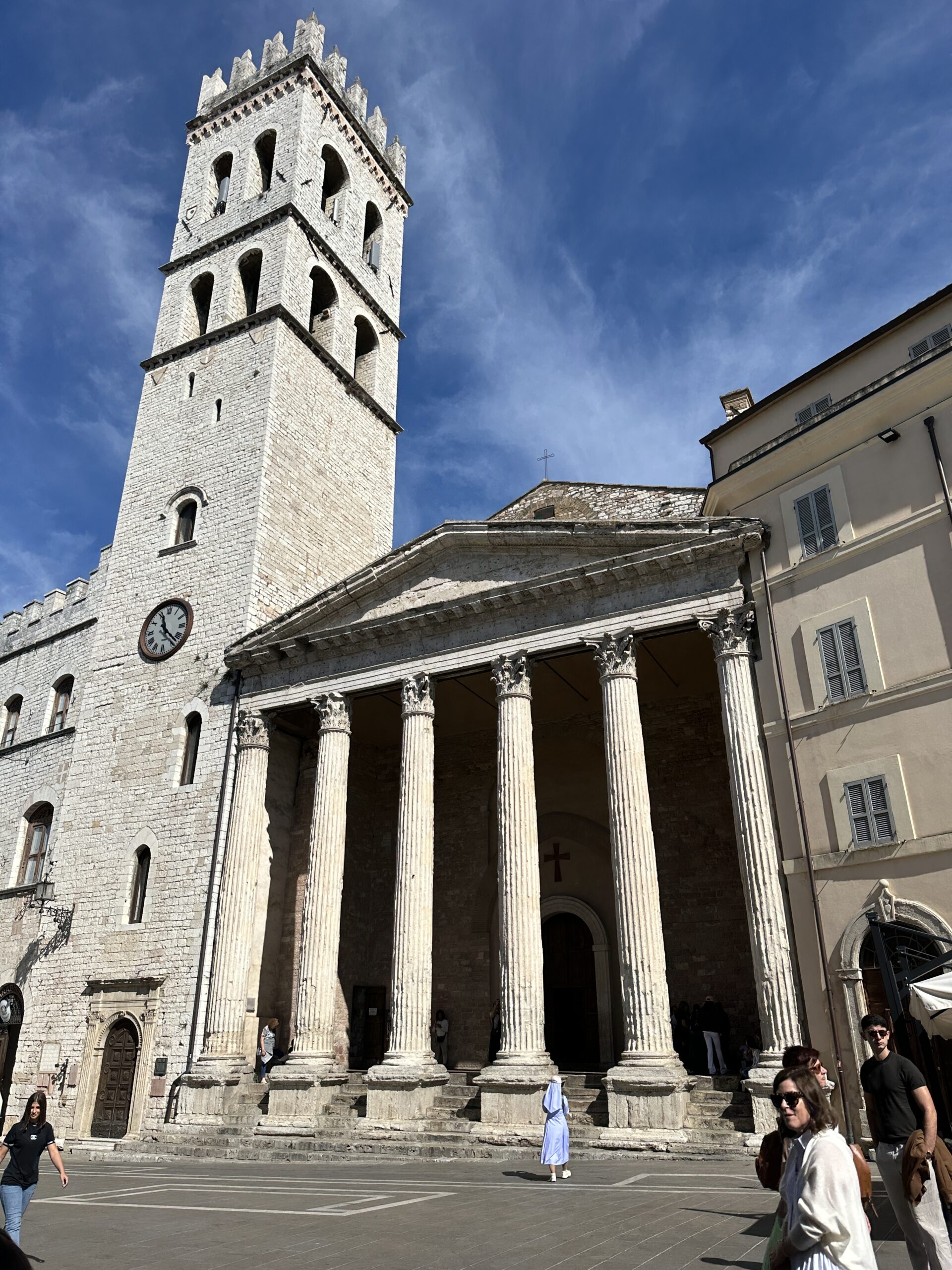
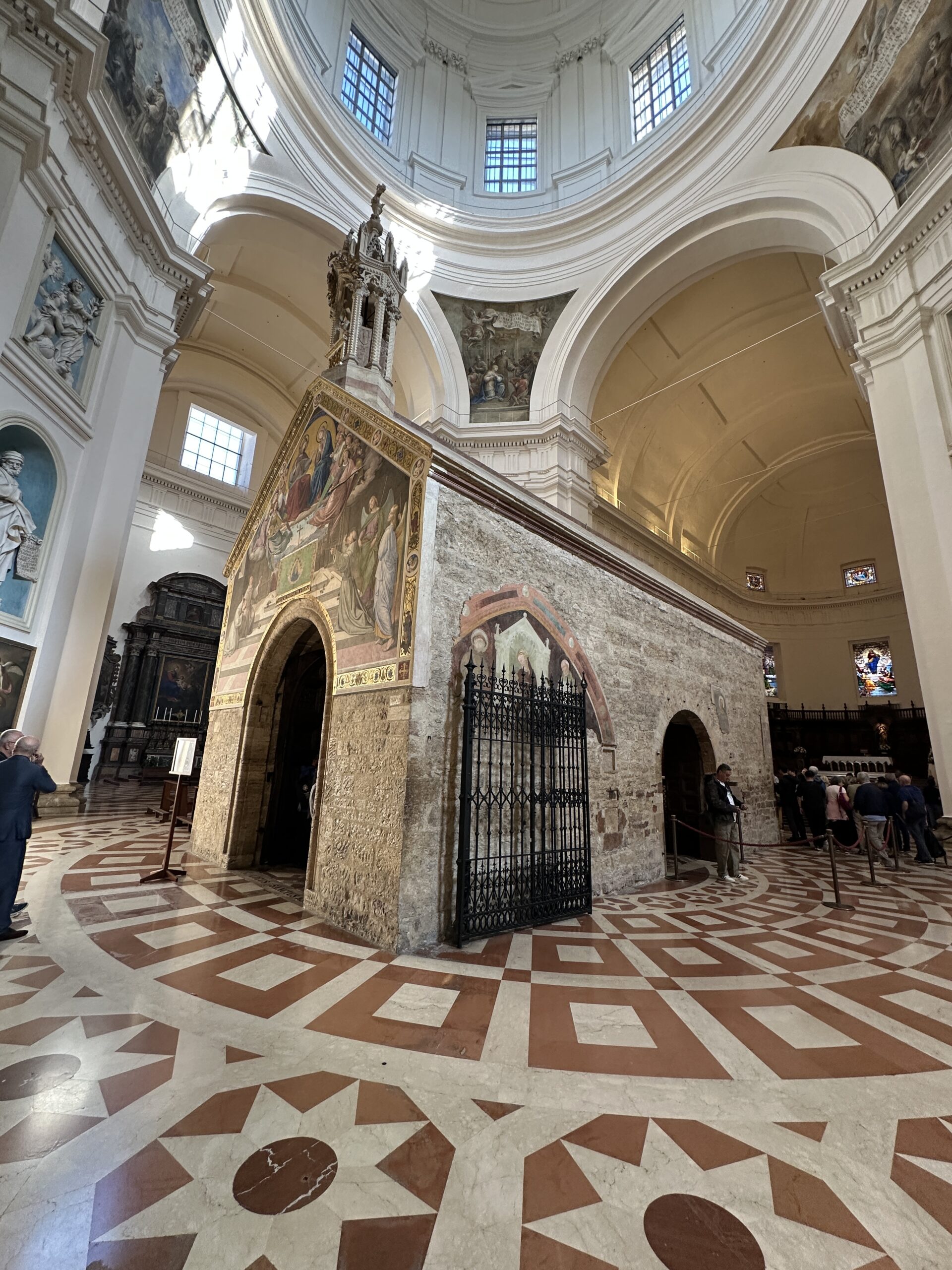
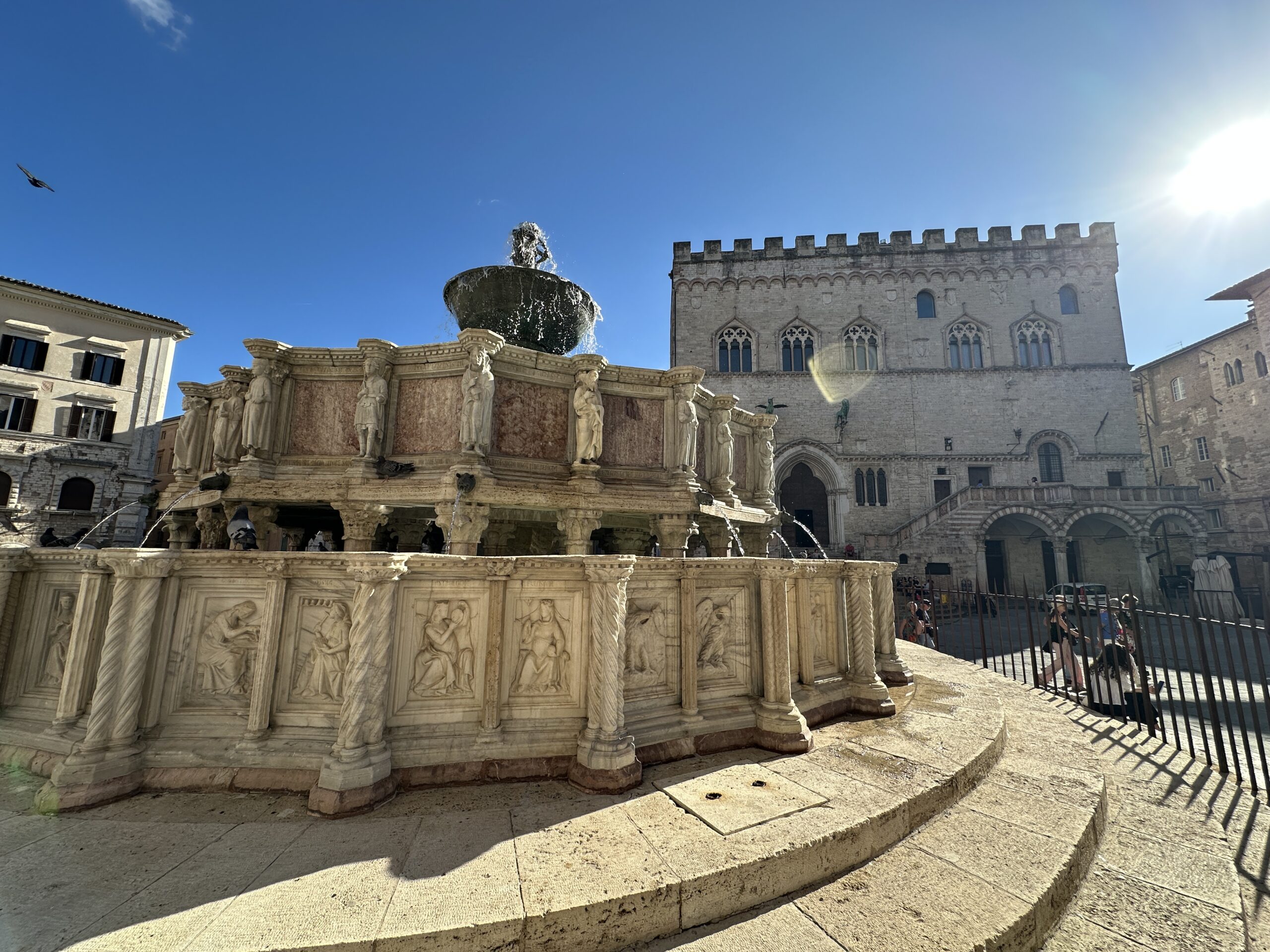
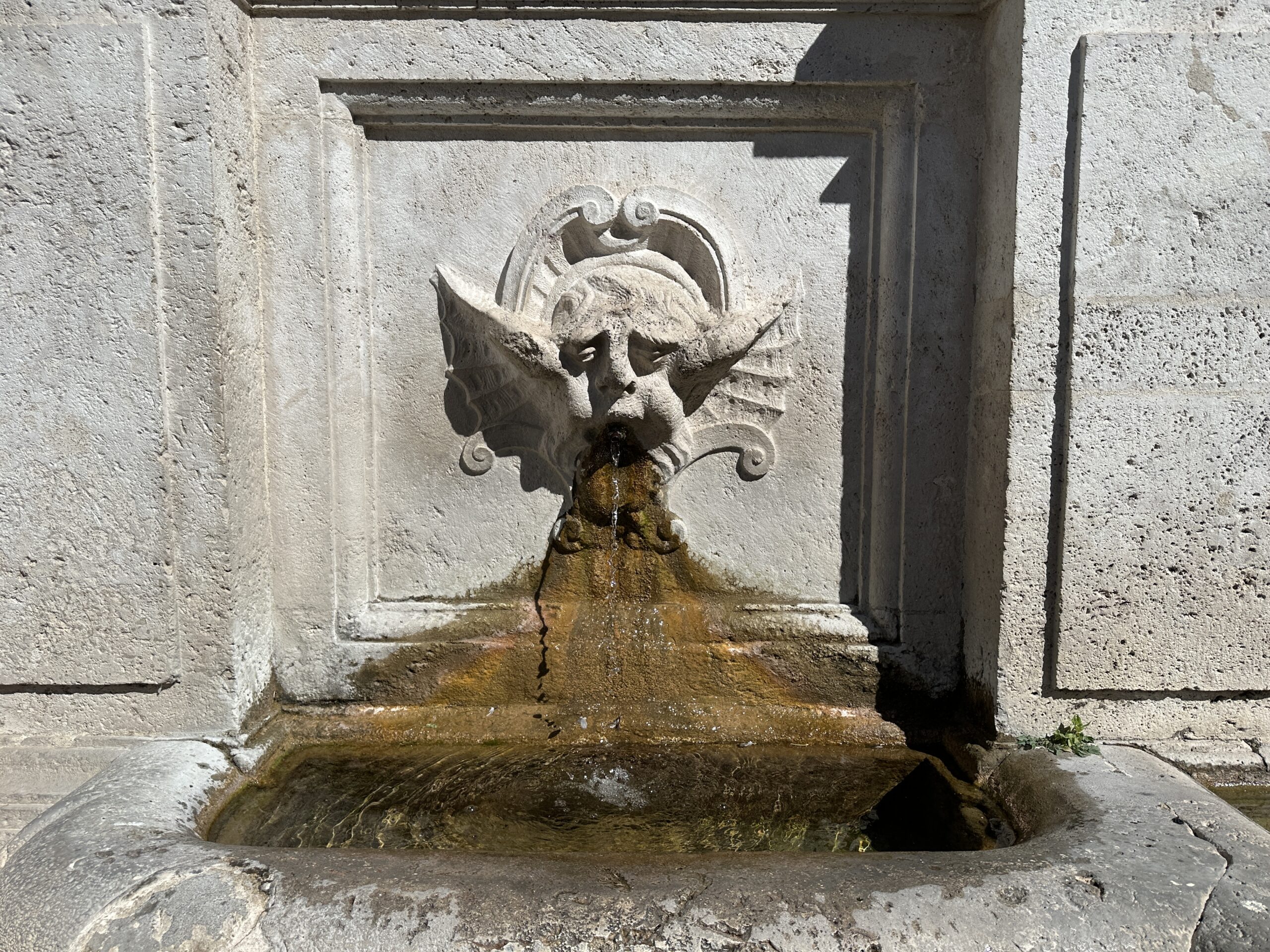
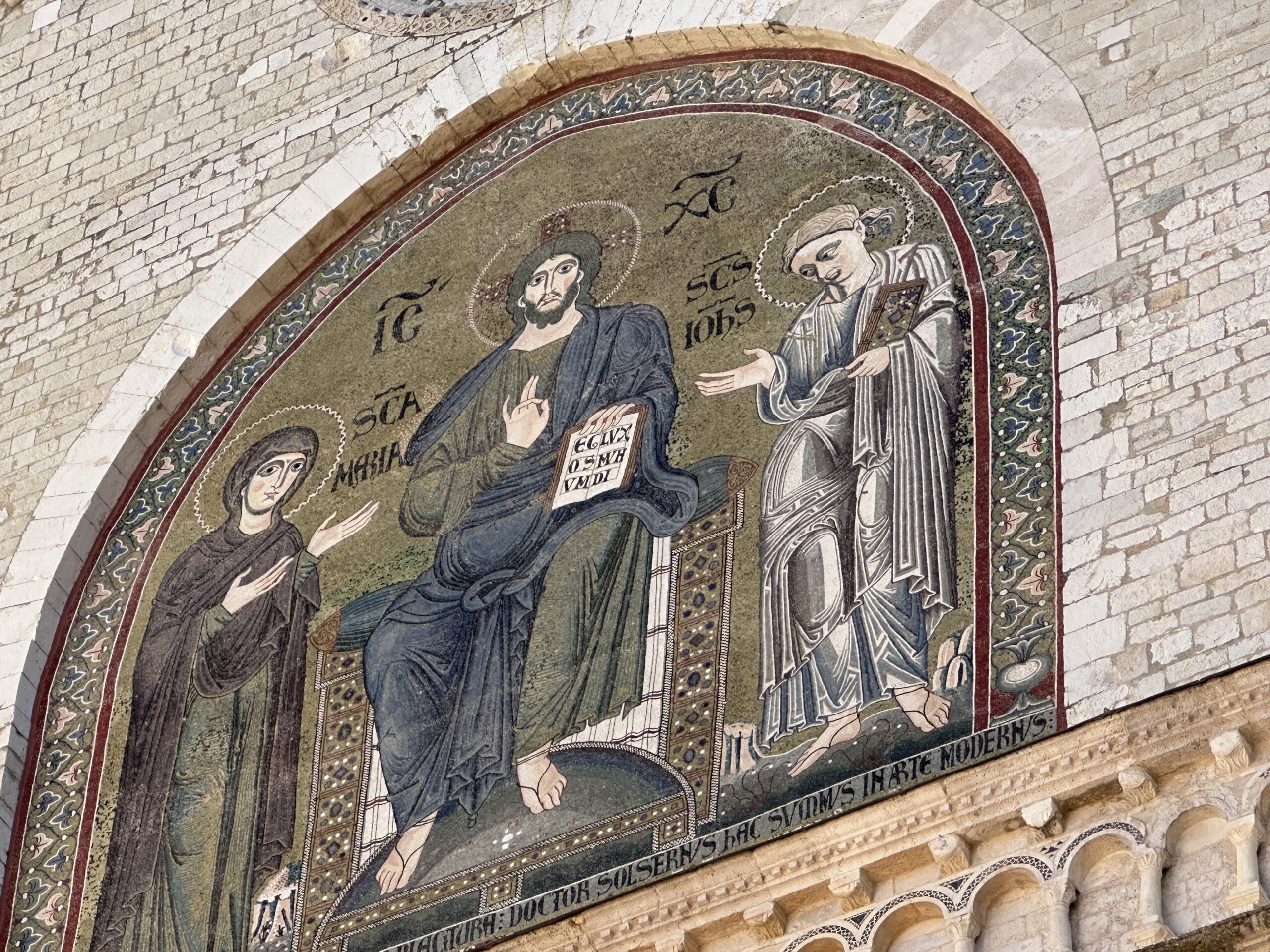
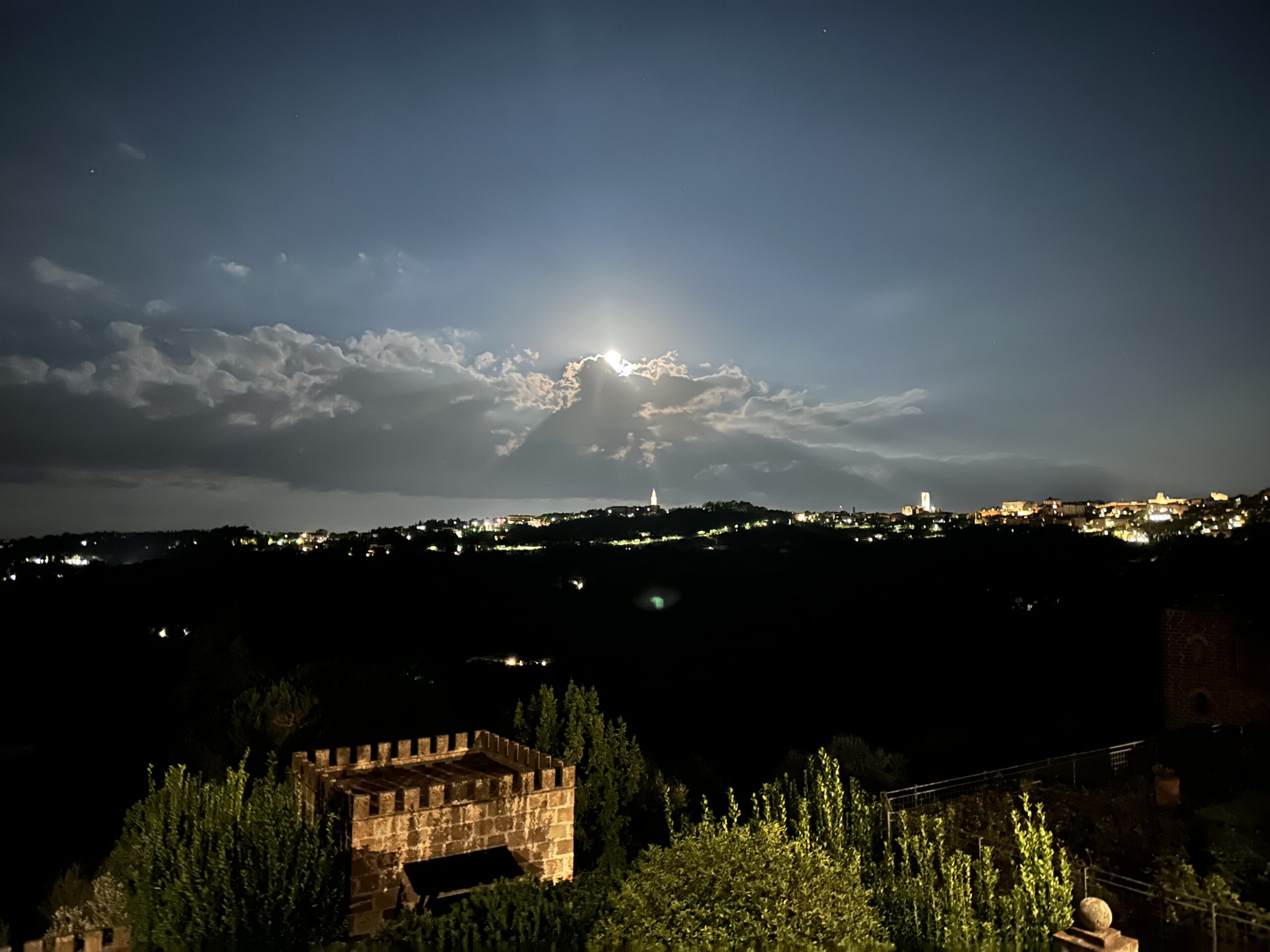
More Photos of Umbria & Italy

Francis of Assisi

From my journal in Perugia, Italy, September 24, 2026.

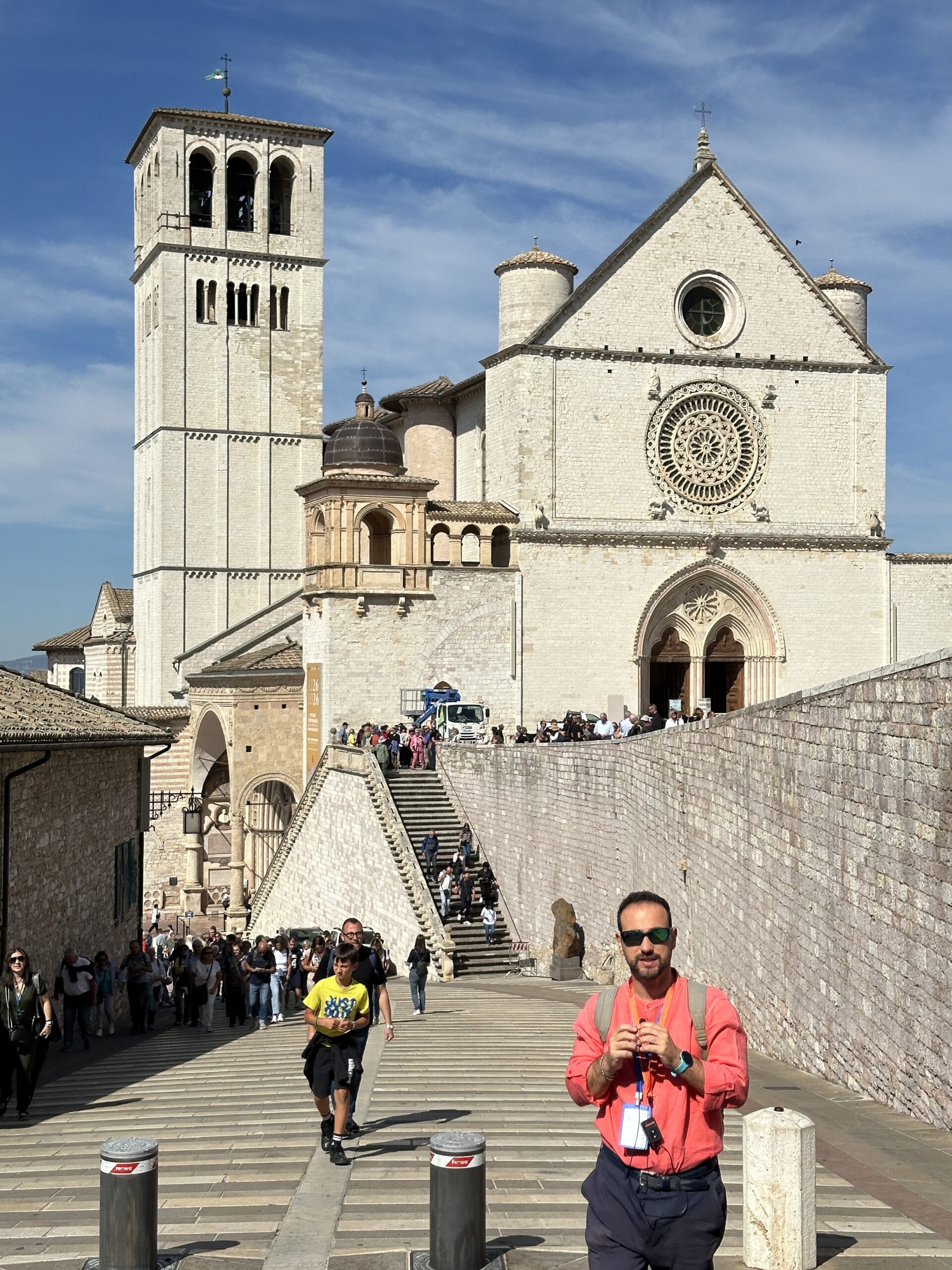
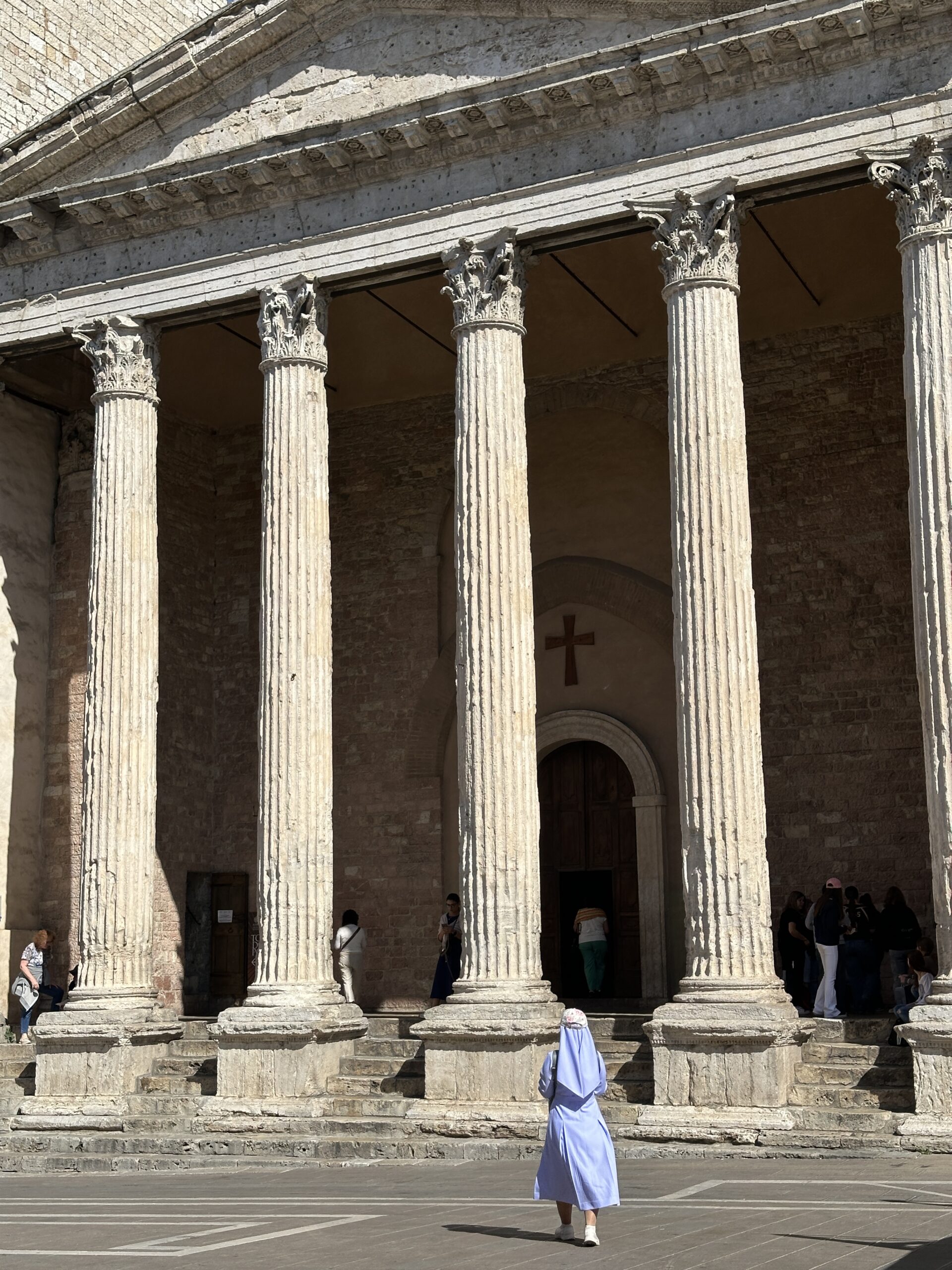
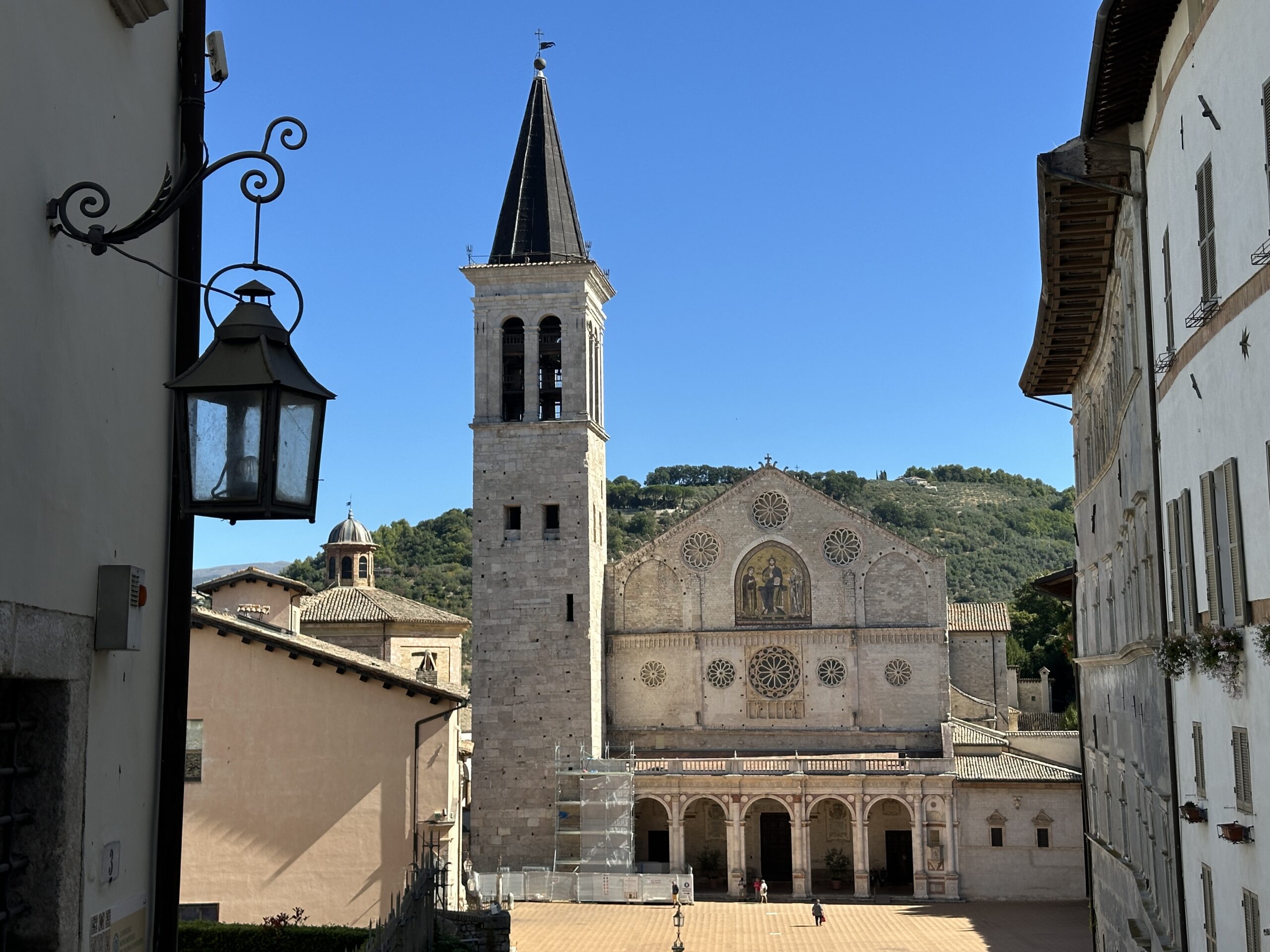
Today we visited Assisi and learned about it’s most famous resident, a young man named Francis (1181-1226). The town and church are unusual in their own ways, beautiful, but not really my favorites of all the cathedrals, basilicas, and towns we visited. All were medieval, built atop Roman or Etruscan ruins.

The Etruscans were quite advanced and the Romans learned a lot from them about aqueducts, etc. They were also idol worshipers and turned upon themselves, becoming weakened, allowing the Romans to conquer and assimilate them. Let’s fast forward a thousand years and get back to medieval Europe.

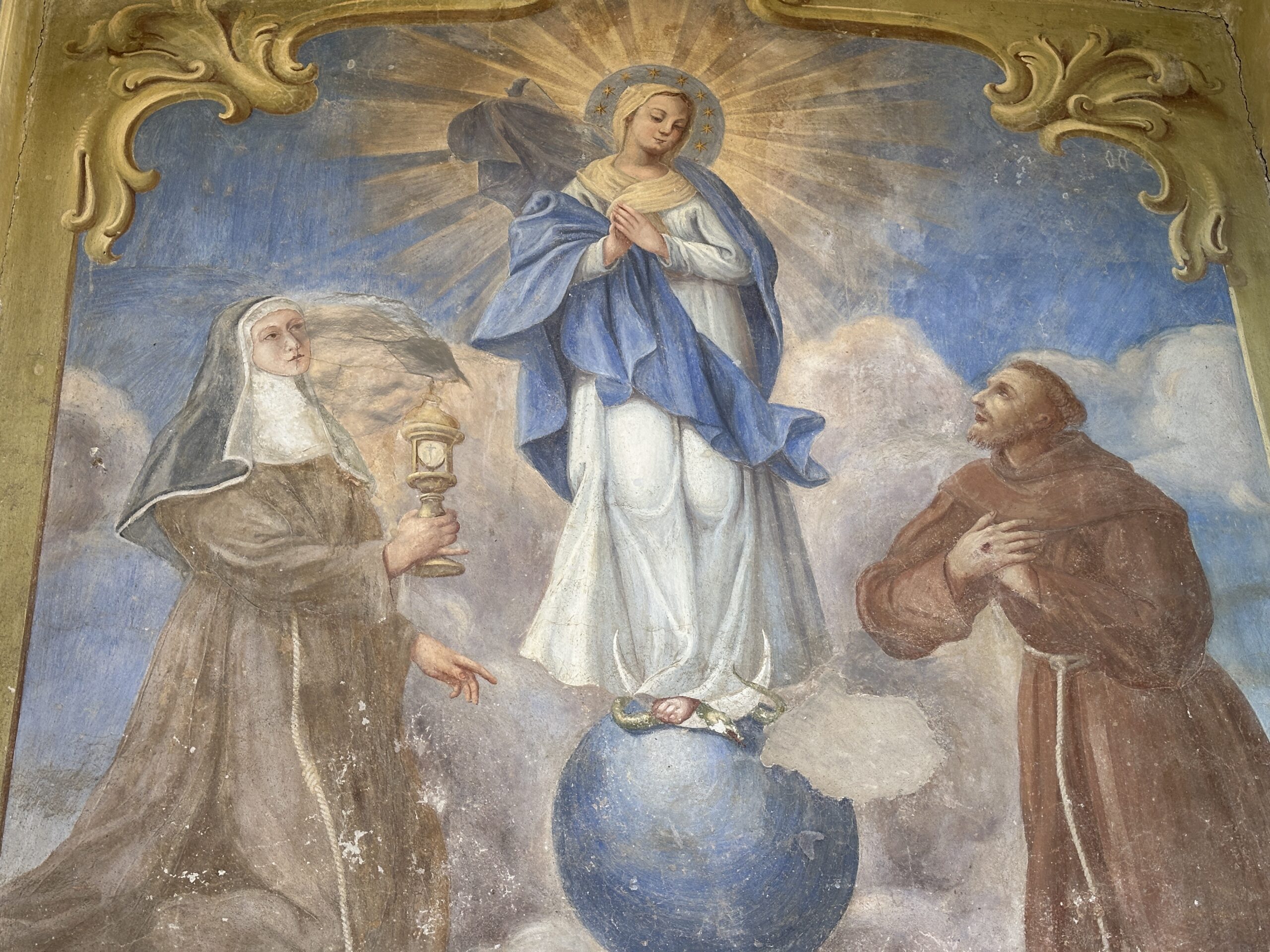
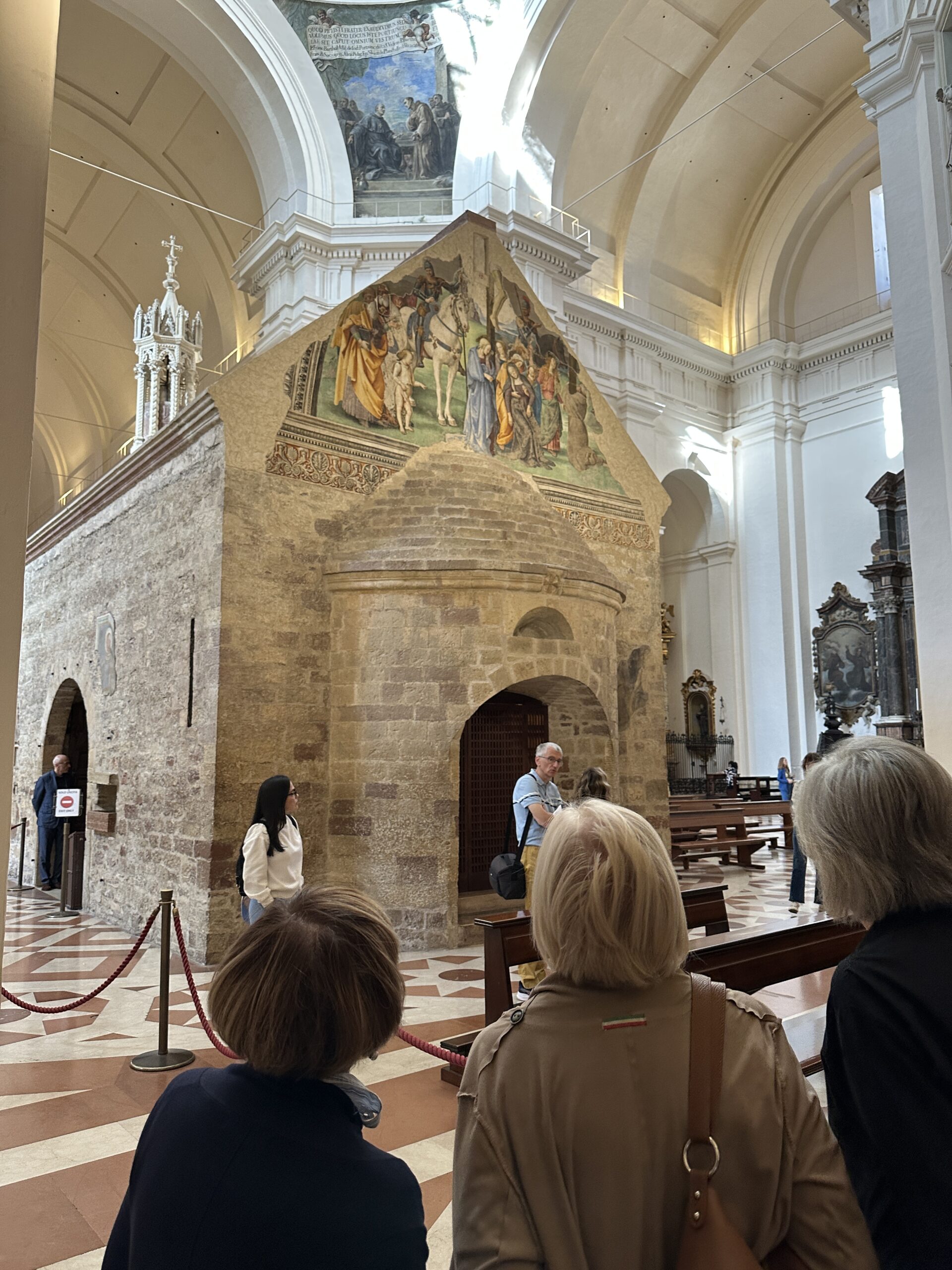
The Basilica of Saint Clare was impressive in its own way, but the basilica of Saint Mary of the Angels which was built over the small chapel where Francis first took refuge was the nicest church of the day for me.

There Francis heard Christ say to him, “Rebuild my church.” He took this literally and started repairs on the little chapel which was already 400 years old. He would do the same for other small chapels too. But eventually he came to see his call was spiritually rebuilding, or reforming, the Church.

It was a Catholic Church in an unhealthy state, in need of its own reformation. According to the AI search engine Grok, “Francis renewed the church from within at a time of wealth, institutional strain, and dissenting movements. He insisted on loyalty to the pope and the sacraments while calling Christians back to literal poverty, humility, and itinerant preaching of the Gospels. The Franciscans became one of the great mendicant orders, emphasizing care for the poor and sick rather than monastic enclosure.” (Britannica)

“He deepened popular devotion to the humanity of Jesus—through the Christmas crib [nativity scenes at Christmas], and later influenced the stations of the cross, by his own identification with Christ’s passion.”(Britannica)

“His example of joyful simplicity, peaceful encounter with others (including Muslims), and seeing God in the marginalized, and in nature, has shaped Catholic spirituality, missionary work, theology, and popular piety for eight centuries. The Franciscan family remains one of the largest religious families in the church.” (Britannica & en.wikipedia.com)

Possible Error

Francis might not be happy or comfortable with all the attention given him in the cathedral dedicated to his honor. In some ways one might think it bordered on worship of the man and putting him on the same plane as his Lord. Reading the first lines of his most famous canticle or poem, you see that he was completely enamored with and worshipped only Jesus. But I’ll leave that issue to the church and God. Of course there’s the possibility of mixture—there always has been. But I now see the massive importance of the man. I see Saint Francis more integral to church history and God’s plan for the ages than ever before. “Repair my house” is a strong calling and message from Christ! It may be on the same par or similar to the Apostle Paul’s encounter with the risen Lord on his way to persecute the early church in Damascus.

Impossible Task

It was a tall order for a rich, young playboy, who aspired to be a knight, but ended up wounded and a prisoner of war with a neighboring city state, Perugia, for a year until he could be ransomed by his wealthy father. Then he was very ill for a while. It was during this time,1202 to 1208, when he was 20 to 26 years of age that Francis came to faith. His conversion was described as a “Long turning,” rather than a sudden vision or event. On his deathbed, he only recounted the incident with the leper among his encounters with Christ and pivotal times in his life. It was then he felt peace, joy, and knew his heart had been changed by the Holy One. He died at the age of 44, only 20 years later, ill and nearly blind.

The major evidences of the power of the Holy Spirit within him was the numbers of devoted followers who joined him, his effect on the common people to become devoted to Christ, his favor with the pope and governing authorities within the church, and the approximately one million Franciscan friars wearing the brown-hooded robe who have vowed his vows and lived his way during the 800 years since his death, exactly 800 years ago today!

His praise of God and joy, even amidst suffering, are also strong evidences of the power and presence of the Holy Spirit within him.

I’ve lived more than 70 years and witnessed the second law of thermodynamics in the natural and spiritual realms, how things tend toward disorder and decay if left alone. The most compelling evidence Francis heard from God and was empowered by the Holy Spirit was the first words he heard Christ say to him, “Repair my house,” and the fact he was able to do so, as a very weak vessel, in twenty years, a very short time!

God uses imperfect people. It’s all he has to work with. That he includes humans in his plan is testimony to His great love and grand plan (Isaiah 46:9-10). It’s the story of the Holy Scriptures. It’s the story of the lives of all who know Him and are known by Him (John 10:14-17).

I’m humbled and grateful to have visited Assisi and learn the story of Francis for myself on location with friends. I’m grateful to the Spirit for allowing me to see farther into these things than possible in my own power. I’m grateful to Francis of Assisi for a life well lived—a life of devotion to his King. By his life of simple obedience, service, and worship, he showed us something we should all aspire to as Jesus’ disciples. Following Jesus is doable no matter the circumstances of our lives, by His power. Draw near, listen, and obey. Be a follower of Jesus, not just a fan or a learner. Godspeed.


“My sheep hear My voice, and I know them, and they follow Me; and I give eternal life to them, and they will never perish; and no one will snatch them out of My hand” (John 10:27-28).

“For by grace you have been saved through faith; and that not of yourselves, it is the gift of God; not as a result of works, so that no one may boast” (Ephesians 2:8-9).

“For we are His workmanship, created in Christ Jesus for good works, which God prepared beforehand so that we would walk in them” (Ephesians 2:10).

“Then he said to me, “This is the word of the Lord to Zerubbabel saying, ‘Not by might nor by power, but by My Spirit,’ says the Lord of hosts” (Emphasis mine, Zechariah 4:6).

“But we have this treasure [the Holy Spirit] in earthen vessels, so that the surpassing greatness of the power will be of God and not from ourselves” (Emphasis mine, 2 Corinthians 4:7).

“Most High, all-powerful, good Lord,
 yours is the praise, 
the glory and the honor and every blessing.
To you alone, Most High, do they belong,
 and no one is worthy to speak your name.
Praised be you, my Lord with all your creatures, ….”
(From the most famous poem by St. Francis of Assisi,
The Canticle of the Creatures)