From my journal in Perugia, Italy, September 24, 2026.
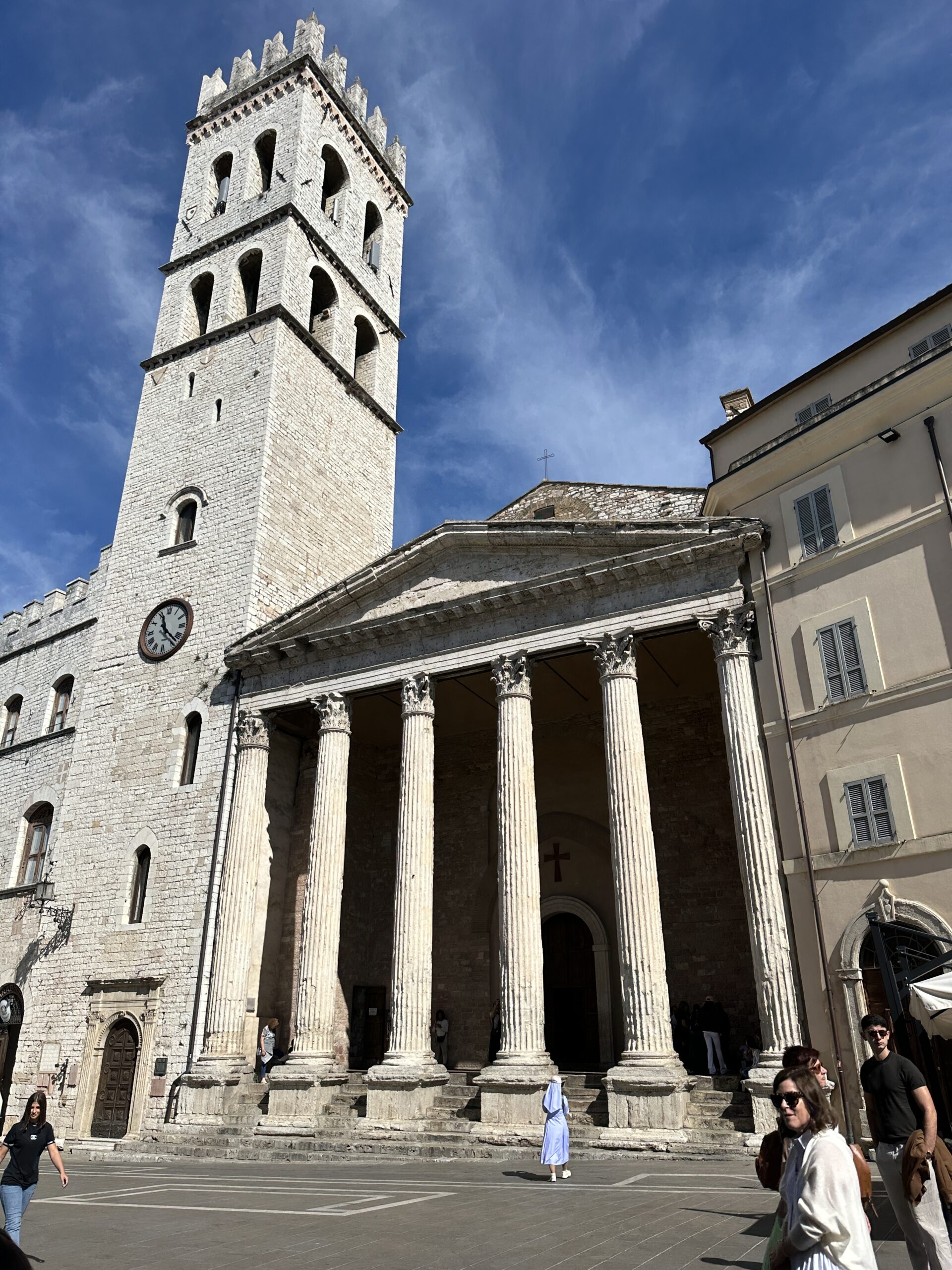
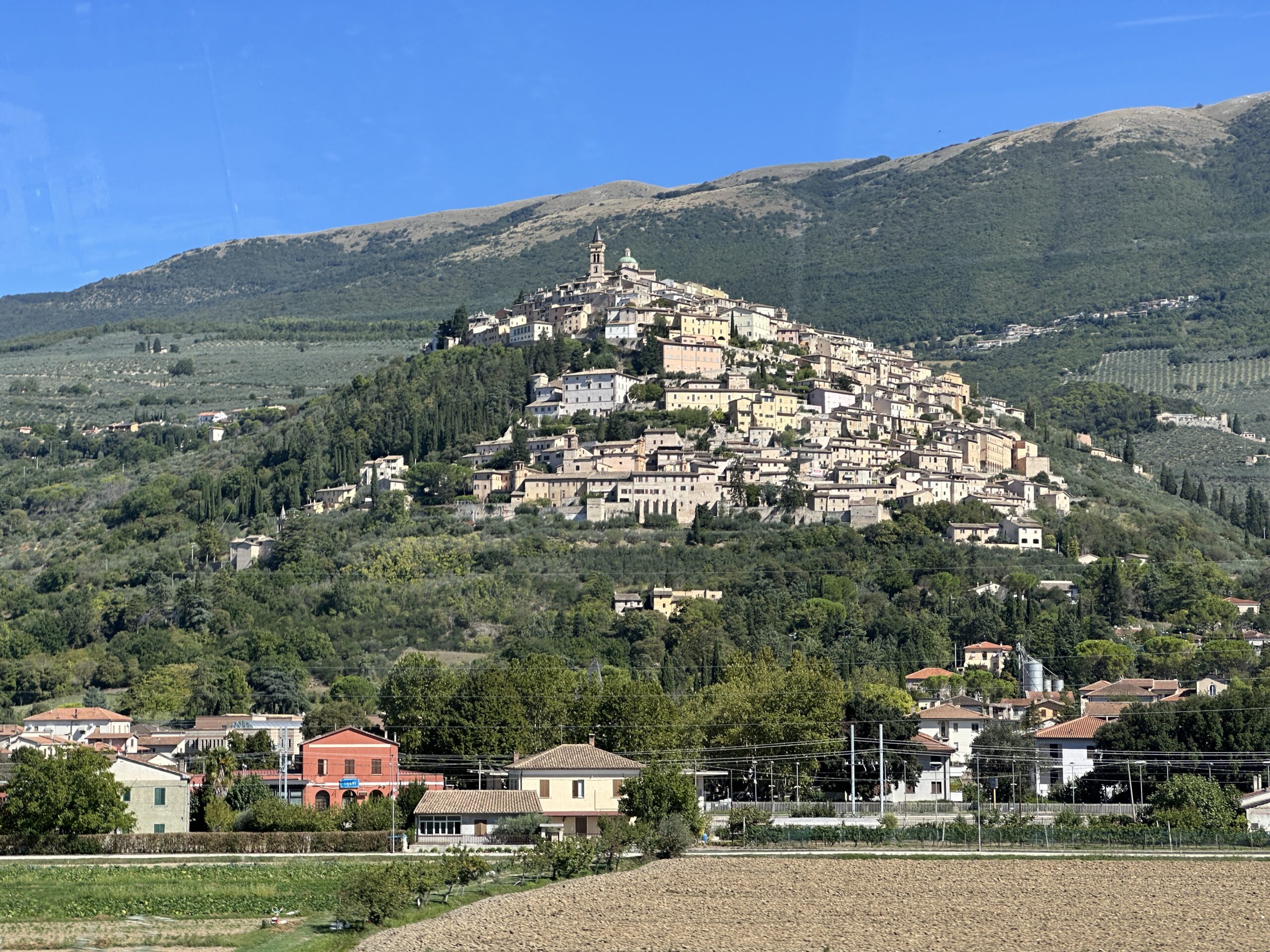
Today we visited Assisi and learned about it’s most famous resident, a young man named Francis (1181-1226). The town and church are unusual in their own ways, beautiful, but not really my favorites of all the cathedrals, basilicas, and towns we visited. All were medieval, built atop Roman or Etruscan ruins.
The Etruscans were quite advanced and the Romans learned a lot from them about aqueducts, etc. They were also idol worshipers and turned upon themselves, becoming weakened, allowing the Romans to conquer and assimilate them. Let’s fast forward a thousand years and get back to medieval Europe.
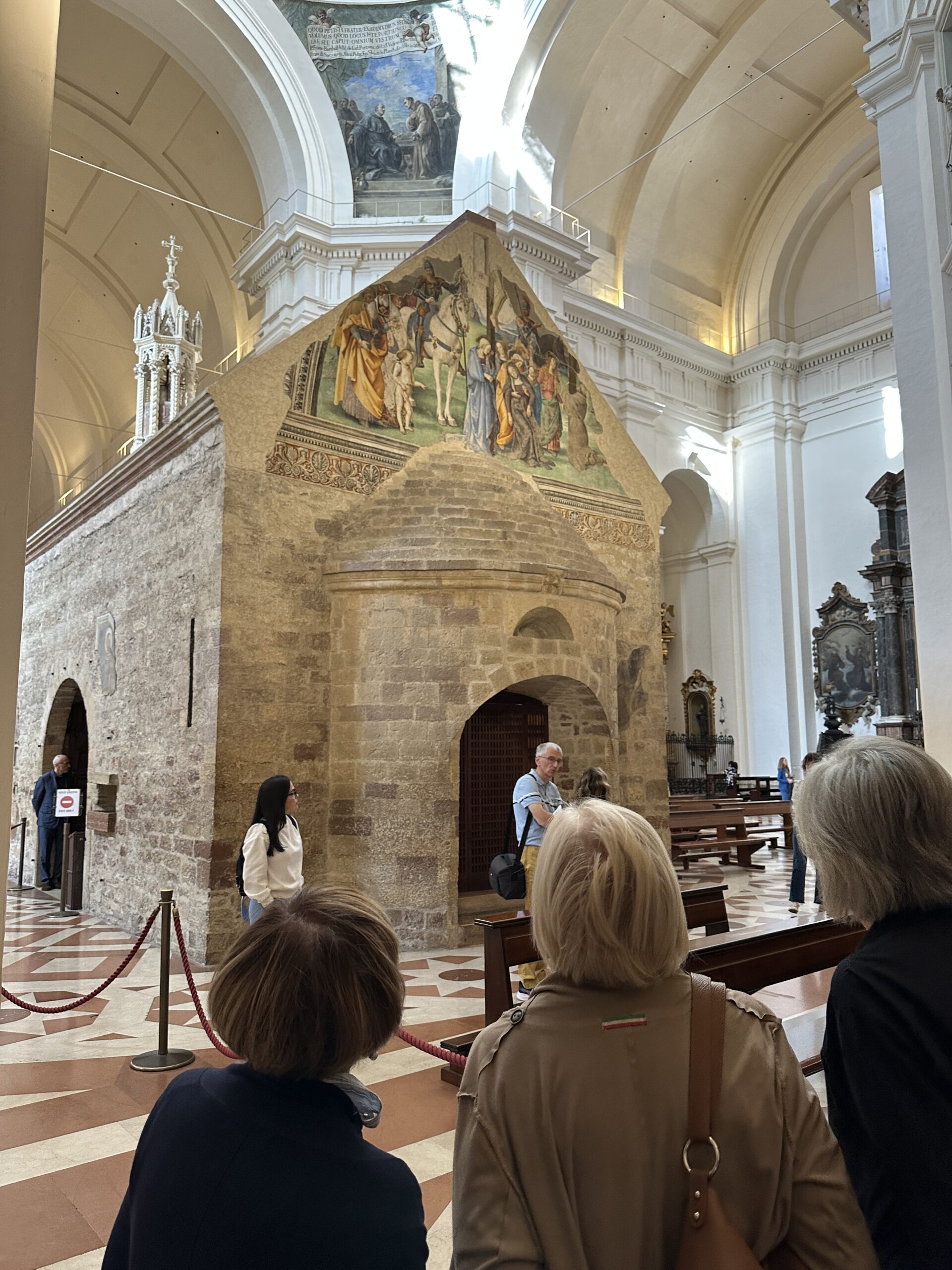
The Basilica of Saint Clare was impressive in its own way, but the basilica of Saint Mary of the Angels which was built over the small chapel where Francis first took refuge was the nicest church of the day for me.
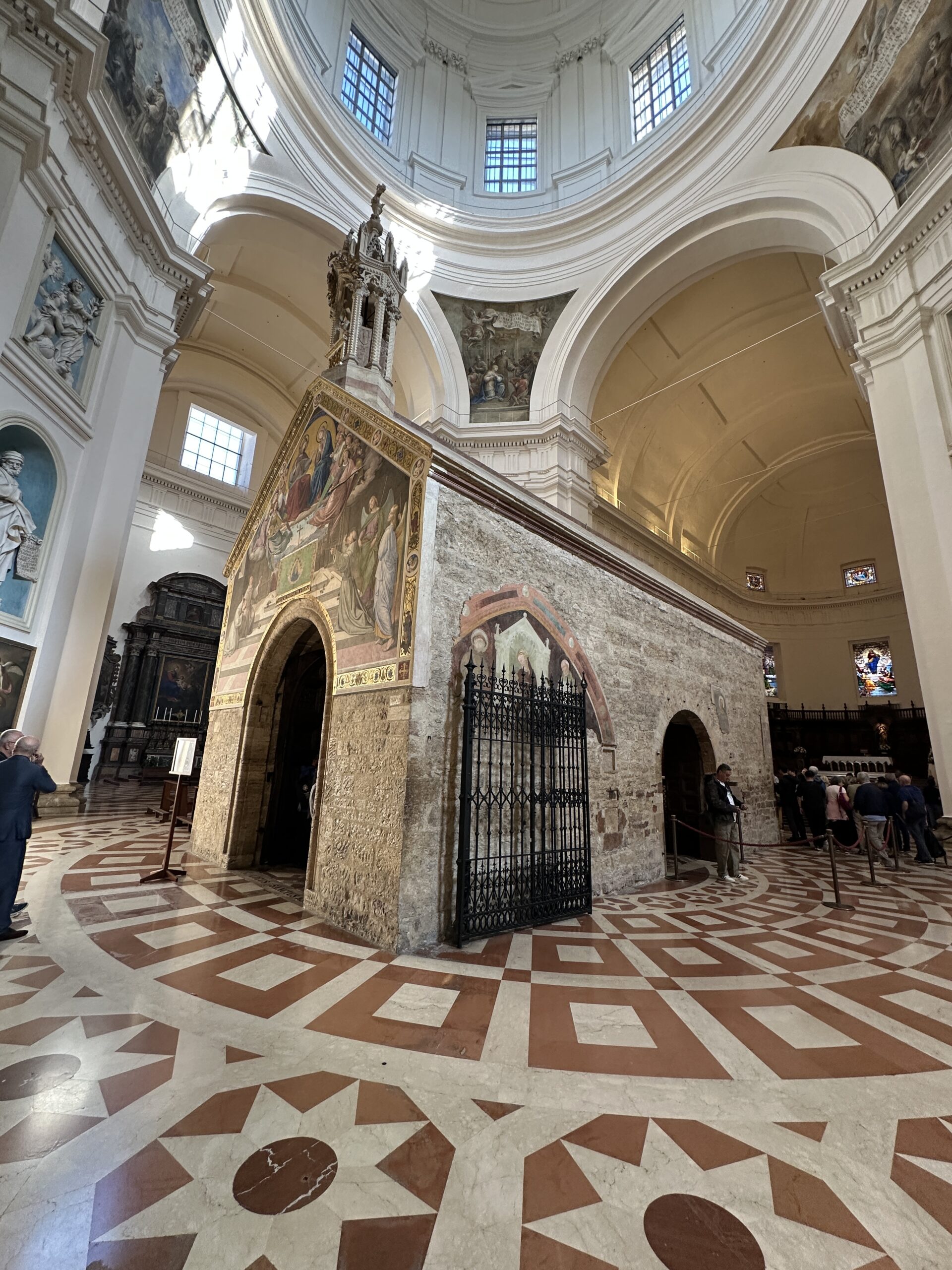
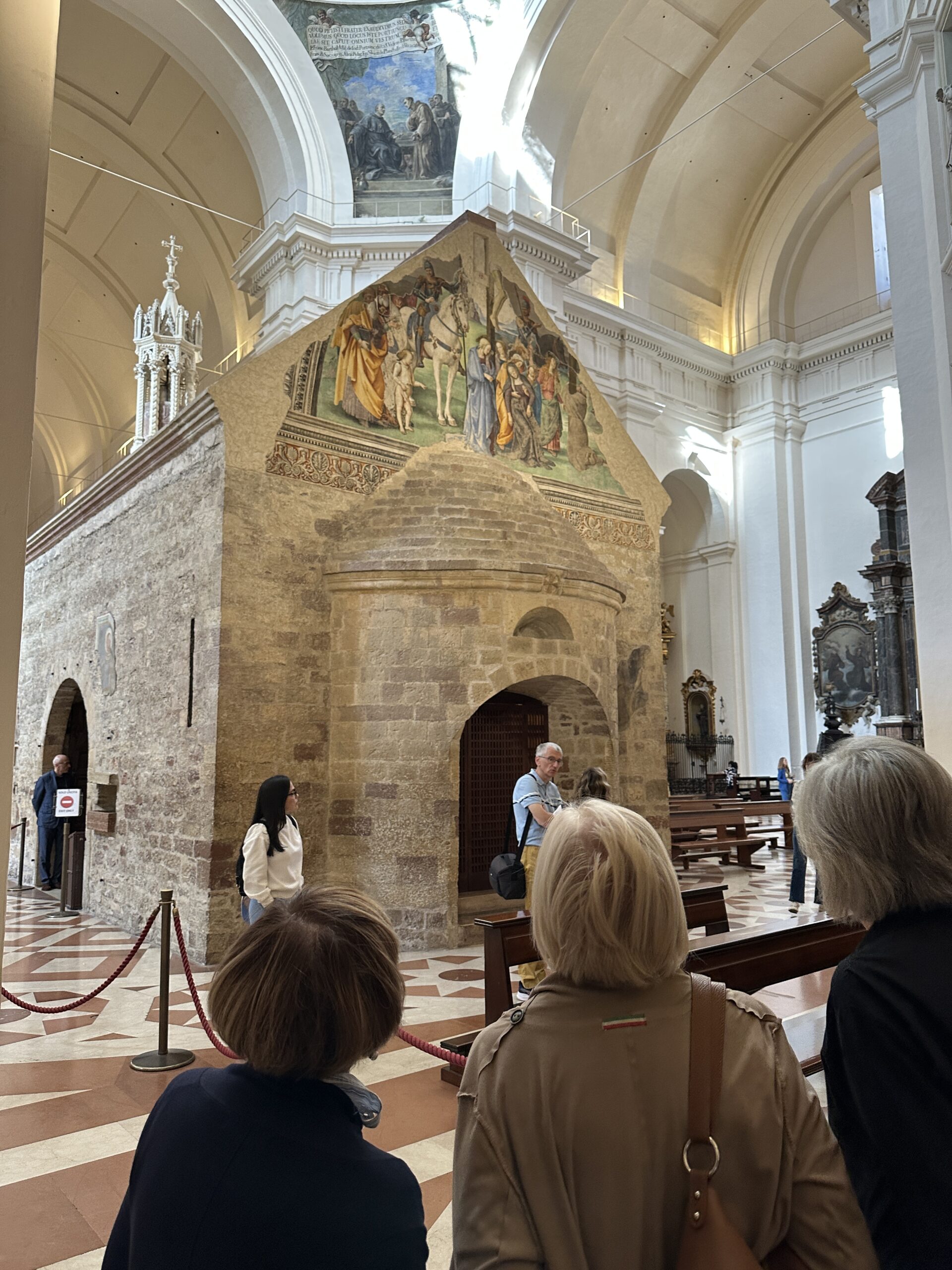
There Francis heard Christ say to him, “Rebuild my church.” He took this literally and started repairs on the little chapel which was already 400 years old. He would do the same for other small chapels too. But eventually he came to see his call was spiritually rebuilding, or reforming, the Church.
It was a Catholic Church in an unhealthy state, in need of its own reformation. According to the AI search engine Grok, “Francis renewed the church from within at a time of wealth, institutional strain, and dissenting movements. He insisted on loyalty to the pope and the sacraments while calling Christians back to literal poverty, humility, and itinerant preaching of the Gospels. The Franciscans became one of the great mendicant orders, emphasizing care for the poor and sick rather than monastic enclosure.” (Britannica)
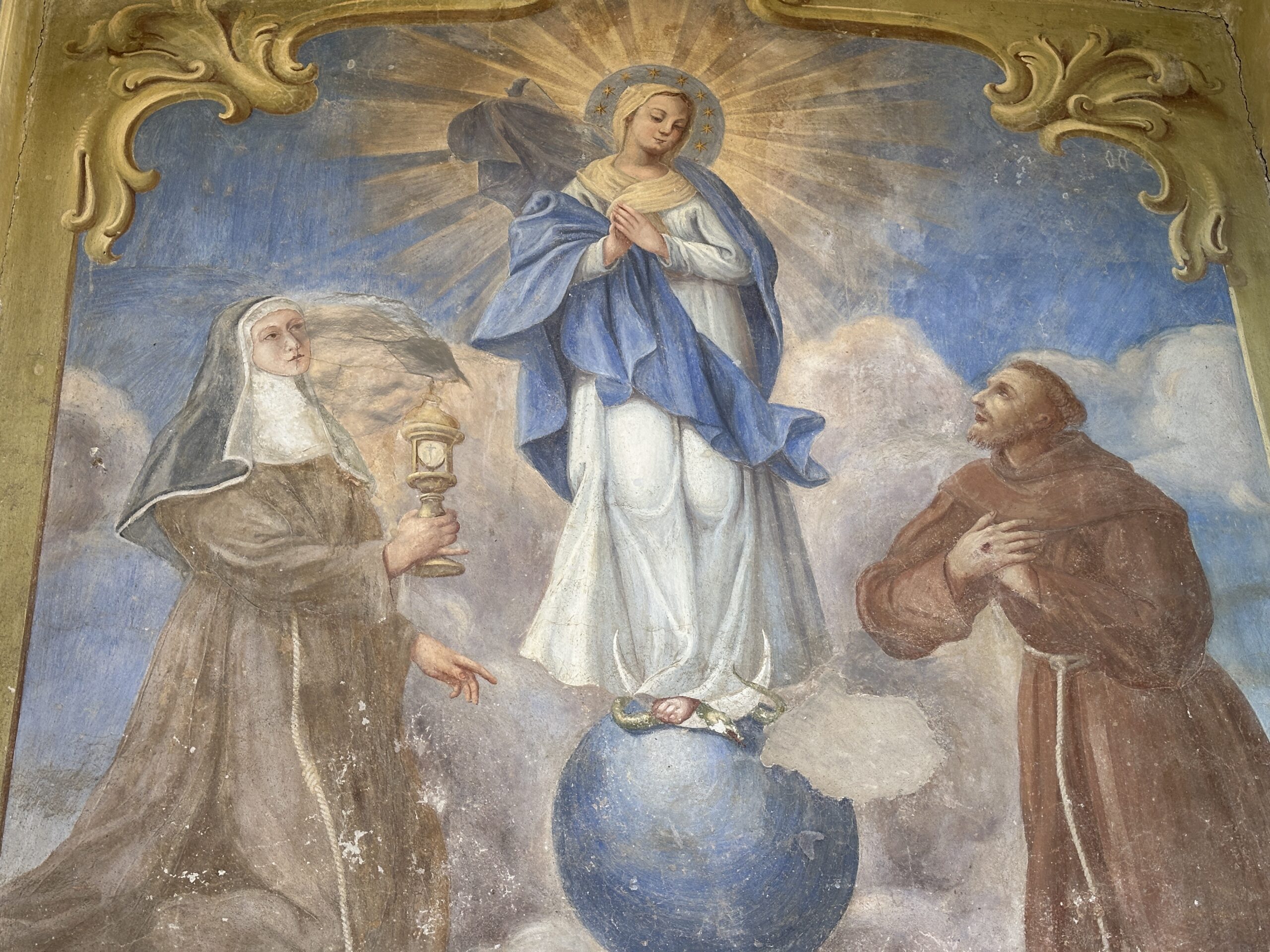
“He deepened popular devotion to the humanity of Jesus—through the Christmas crib [nativity scenes at Christmas], and later influenced the stations of the cross, by his own identification with Christ’s passion.”(Britannica)
“His example of joyful simplicity, peaceful encounter with others (including Muslims), and seeing God in the marginalized, and in nature, has shaped Catholic spirituality, missionary work, theology, and popular piety for eight centuries. The Franciscan family remains one of the largest religious families in the church.” (Britannica & en.wikipedia.com)
Possible Error
Francis might not be happy or comfortable with all the attention given him in the cathedral dedicated to his honor. In some ways one might think it bordered on worship of the man and putting him on the same plane as his Lord. Reading the first lines of his most famous canticle or poem, you see that he was completely enamored with and worshipped only Jesus. But I’ll leave that issue to the church and God. Of course there’s the possibility of mixture—there always has been. But I now see the massive importance of the man. I see Saint Francis more integral to church history and God’s plan for the ages than ever before. “Repair my house” is a strong calling and message from Christ! It may be on the same par or similar to the Apostle Paul’s encounter with the risen Lord on his way to persecute the early church in Damascus.
Impossible Task
It was a tall order for a rich, young playboy, who aspired to be a knight, but ended up wounded and a prisoner of war with a neighboring city state, Perugia, for a year until he could be ransomed by his wealthy father. Then he was very ill for a while. It was during this time,1202 to 1208, when he was 20 to 26 years of age that Francis came to faith. His conversion was described as a “Long turning,” rather than a sudden vision or event. On his deathbed, he only recounted the incident with the leper among his encounters with Christ and pivotal times in his life. It was then he felt peace, joy, and knew his heart had been changed by the Holy One. He died at the age of 44, only 20 years later, ill and nearly blind.
The major evidences of the power of the Holy Spirit within him was the numbers of devoted followers who joined him, his effect on the common people to become devoted to Christ, his favor with the pope and governing authorities within the church, and the approximately one million Franciscan friars wearing the brown-hooded robe who have vowed his vows and lived his way during the 800 years since his death, exactly 800 years ago today!
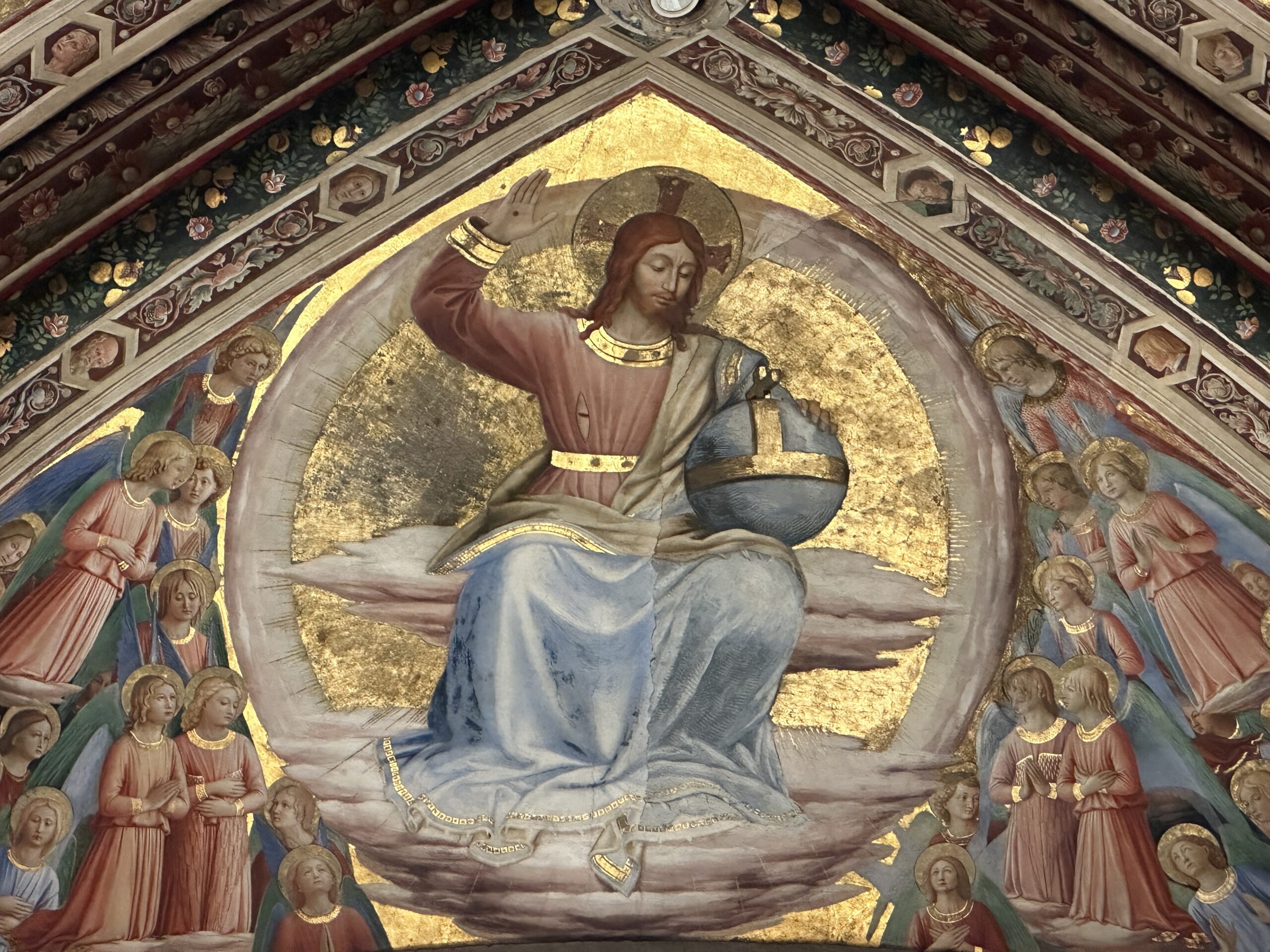
His praise of God and joy, even amidst suffering, are also strong evidences of the power and presence of the Holy Spirit within him.
I’ve lived more than 70 years and witnessed the second law of thermodynamics in the natural and spiritual realms, how things tend toward disorder and decay if left alone. The most compelling evidence Francis heard from God and was empowered by the Holy Spirit was the first words he heard Christ say to him, “Repair my house,” and the fact he was able to do so, as a very weak vessel, in twenty years, a very short time!
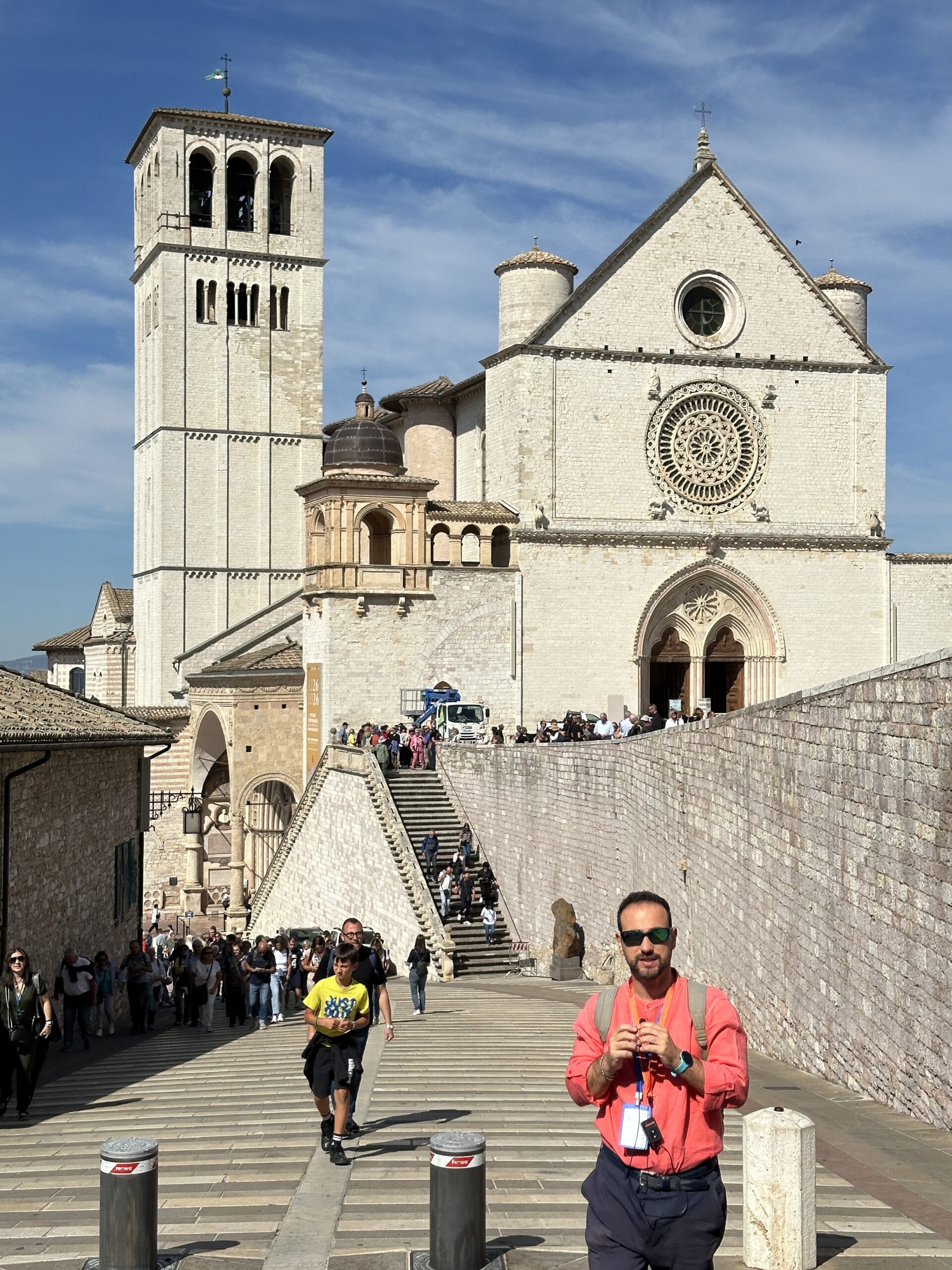
God uses imperfect people. It’s all he has to work with. That he includes humans in his plan is testimony to His great love and grand plan (Isaiah 46:9-10). It’s the story of the Holy Scriptures. It’s the story of the lives of all who know Him and are known by Him (John 10:14-17).
I’m humbled and grateful to have visited Assisi and learn the story of Francis for myself on location with friends. I’m grateful to the Spirit for allowing me to see farther into these things than possible in my own power. I’m grateful to Francis of Assisi for a life well lived—a life of devotion to his King. By his life of simple obedience, service, and worship, he showed us something we should all aspire to as Jesus’ disciples. Following Jesus is doable no matter the circumstances of our lives, by His power. Draw near, listen, and obey. Be a follower of Jesus, not just a fan or a learner. Godspeed.
“My sheep hear My voice, and I know them, and they follow Me; and I give eternal life to them, and they will never perish; and no one will snatch them out of My hand” (John 10:27-28).
“For by grace you have been saved through faith; and that not of yourselves, it is the gift of God; not as a result of works, so that no one may boast” (Ephesians 2:8-9).
“For we are His workmanship, created in Christ Jesus for good works, which God prepared beforehand so that we would walk in them” (Ephesians 2:10).
“Then he said to me, “This is the word of the Lord to Zerubbabel saying, ‘Not by might nor by power, but by My Spirit,’ says the Lord of hosts” (Emphasis mine, Zechariah 4:6).
“But we have this treasure [the Holy Spirit] in earthen vessels, so that the surpassing greatness of the power will be of God and not from ourselves” (Emphasis mine, 2 Corinthians 4:7).
“Most High, all-powerful, good Lord,
yours is the praise,
the glory and the honor and every blessing.
To you alone, Most High, do they belong,
and no one is worthy to speak your name.
Praised be you, my Lord with all your creatures, ….”
(From the most famous poem by St. Francis of Assisi,
The Canticle of the Creatures)