
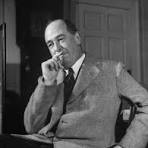
“CLIVE STAPLES LEWIS (1898-1963) [The same generation as my grand parents.] Was one of the intellectual giants of the 20th century and arguably the most influential Christian writer of his day. He was a Fellow and tutor in English literature at Oxford University until 1954 when he was unanimously elected to the Chair of Medieval and Renaissance English at Cambridge University, a position he held until his retirement. He wrote more than thirty books, allowing him to reach a vast audience, and his works continue to attract thousands of new readers every year. His most distinguished and popular accomplishments include The Chronicles of Narnia, Out of the Silent Planet, The Four Loves, The Screwtape Letters, and Mere Christianity.”
The above quote from my book’s cover goes on to say, “One of the most popular introductions to Christian faith ever written, Mere Christianity has sold millions of copies worldwide. … He set out to simply “Explain and defend the belief that has been common to nearly all Christians at all times.”
In Mere Christianity, I was very much surprised and delighted at Lewis’ candor and intellect as he spoke to the problems of his times and our times, and the solutions on a global and personal level. On a historical note, the book is mainly a collection of wartime (World War II) talks the BBC arranged for him to deliver over the radio to remind Great Britain of its faith and historical roots in Christ and the Bible. One could make the case that godlessness, secular humanism, and the enlightenment had weakened Europe, and brought their evil fruits to maturity in the Third Reich. The church in England was divided at the time by schisms between Catholics, protestants, and different Protestant denominations.
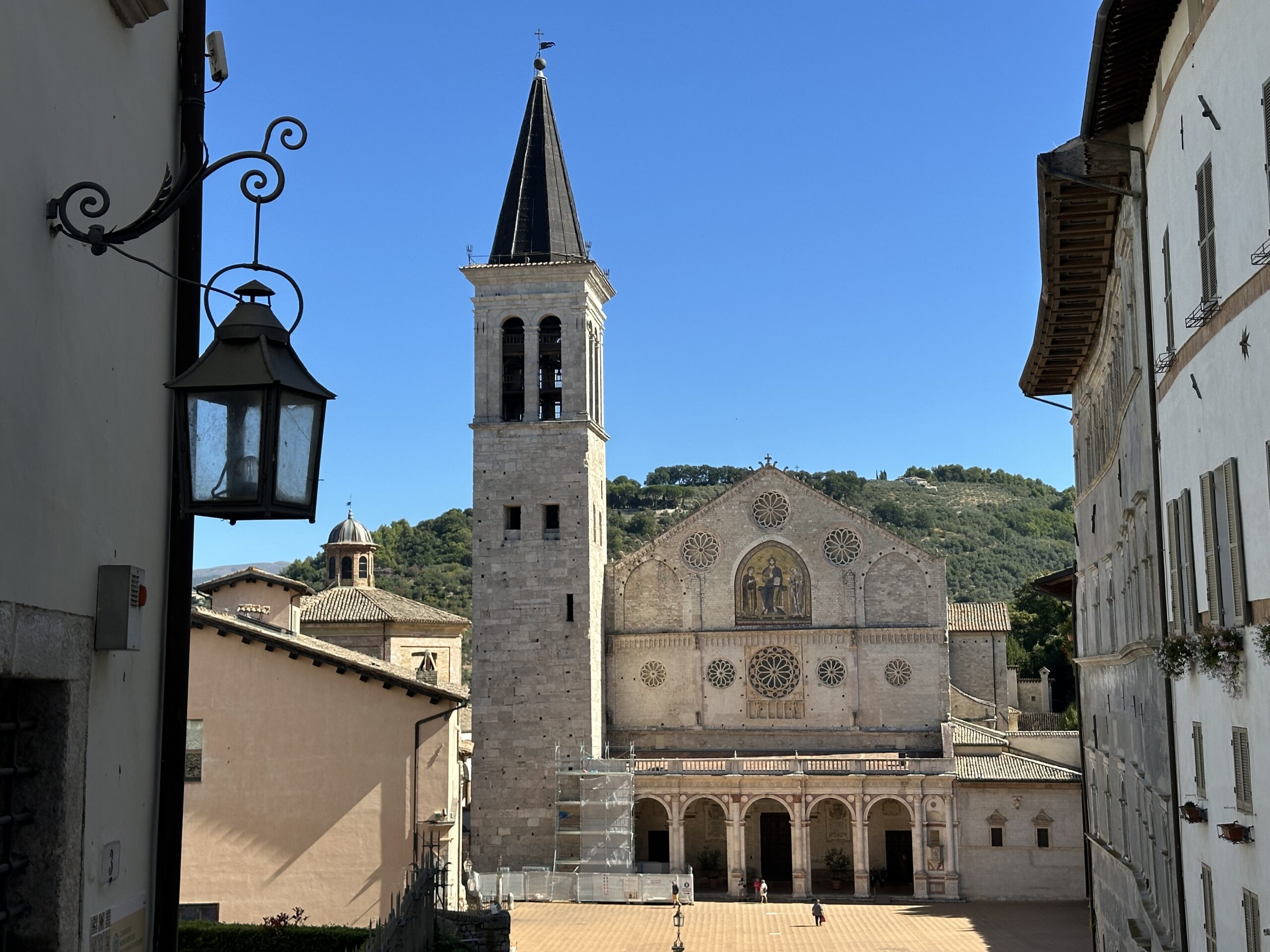
Lewis spoke to this disunity among Christians, saying that the differences are not so important as the core truths. And that we should concentrate on the main tenants of Christianity that we can all agree upon. Hence, the name of perhaps his most influential book is Mere Christianity.
The BBC thought him perfect for the task because he was not religious, a relatively new convert, and one of the most respected minds in England from its most prestigious universities. He was a brilliant philosopher and expert in all the literature and history of western civilization. He could appeal to those caught up in secular humanism, as well as, explain the main tenants of Christianity to Christians in a fresh way. The nation was aware of their great need for God to deliver them from the bombs of Nazi Germany. He reminded everyone of the great need we have for Christ to deliver us from the evil one and from ourselves.
I was shocked and surprised at the chapter topics he addressed: the beauty of morals, rival conceptions of God, morality and psychoanalysis, sexual morality, Christian marriage, forgiveness, the great sin, charity, hope, and faith. He ends with philosophical thoughts, challenging and helping those searching for truth in all the wrong places. The book ends with chapters entitled “Nice People or New Men” and “The New Men”—very insightful!
The Great Sin
“The Great Sin” probably stuck out to you as it did to me, along with the brilliance of his other topics. The great sin is pride and it tops the list of “The Seven Deadly Sins.” Read his book to learn how he deals with it and it’s importance to humans and civilizations.
Please allow me another moment and thought about Francis of Assisi. He humbled himself a great deal in stripping away wealth and privilege in deference to Jesus, to show Christ followers again the path toward a meaningful life and eternity during a very dark time.
The Church—The New Men

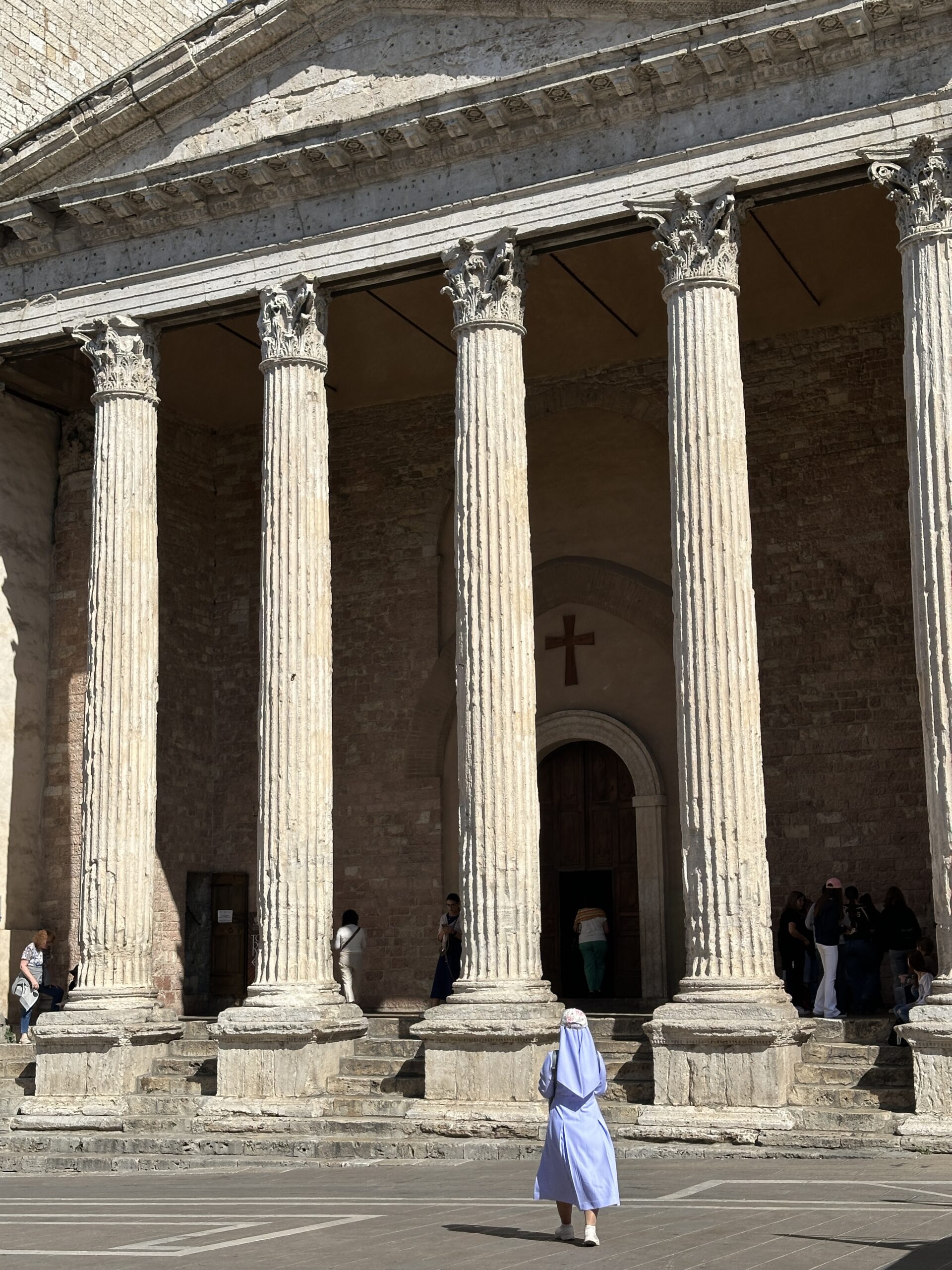
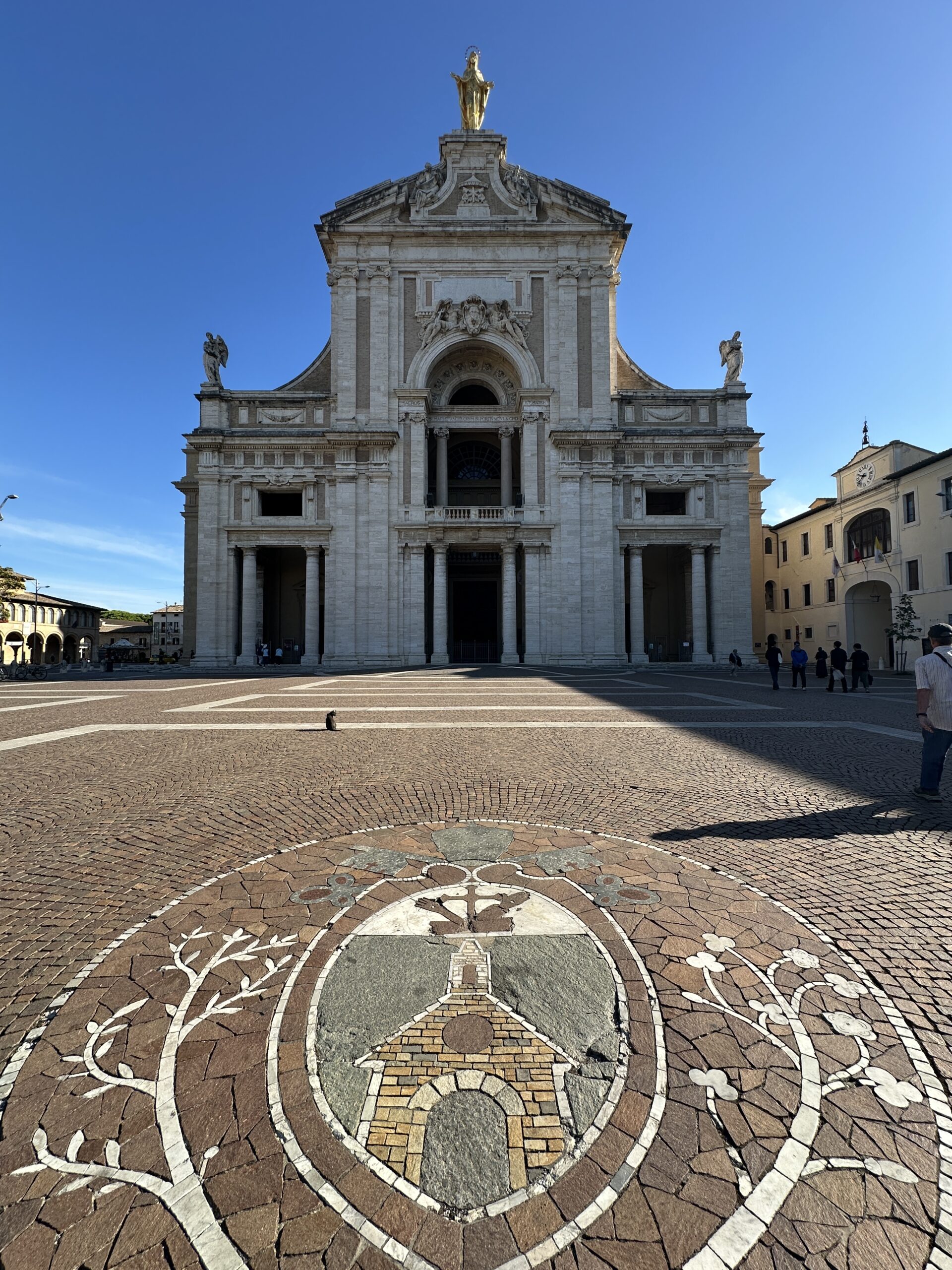
Saint Francis allowed me to see pride in myself, and in the protestant church of which I’m a part. Without giving a lot of thought to it, I would suggest most protestants look down on the Catholic Church a bit because they consider the Church took some wrong paths with errant doctrines diverging from the Bible at certain junctures. I was reminded standing in Assisi, that none of us have the whole unadulterated truth. We should be more humble, and we should look again at Mere Christianity.
When I pondered the life and times of this spoiled rich kid, Francis, who met Jesus on his way, I realized that I probably wouldn’t even have a Bible or know Jesus myself if he hadn’t reformed the church, in the obvious power of the Spirit. He did this three hundred years before Martin Luther, a Catholic priest, spurred another reforming of the Church. That’s humbling to consider, and it’s healthy.
May C.S. Lewis help you know Jesus as the Christ, the Messiah. If you already know Him, C.S. Lewis, a humble man in this humble book, can help you refocus on Him, which is the right direction—“The way, the truth, and the life” (John 14:6).
אמן
Amen
“…The humble shall hear and be glad.”
(Ps 34:2b)
“Now the man Moses was very humble, more than any man who was on the face of the earth.”
(Numbers 12:3)
“Humble yourself in the presence of the Lord, and He will exalt you.”
(James 4:10)
“The reward of humility and the fear of the Lord are riches, honor and life.”
(Proverbs. 22:4)
[Also see Ex 10:3, 2 Kings 22:19, 2 Chron 34:27, Dan 5:22, Dan 10:12, Rom 12:3, and Ephesians 2:8-9 ↣ No boasting! Consider, humility.]